Going Deep
Jason VanRuler
4 min read ⭑
“Friends, do I have permission to go deep with you?”
This is how I start many of my keynote talks, because I’ve learned over time that if you give people a choice to go somewhere meaningful with you, most will.
Most people love to talk with people who go deep. You know, those people who, instead of asking you about the weather, end up talking with you about that dream you have but are afraid to go after. Because when you have these types of conversations, you share what matters most — and, if the other person receives those things well, intimacy is formed and relationships are built. If you have never had this type of relationship, the first time can be eye-opening.

Annie Spratt; Unsplash+
Thankfully, I have many therapist friends and thinkers who also value going deep and are willing to do so often. I cannot tell you how many times I have met someone at a conference or event and ended up talking for a long time for this reason. Once you know the value of going deep, you realize it’s where all the best relationship things happen. I think this was a gift that Jesus had. There is no place in the Bible that mentions Jesus speaking to someone about the weather, sports or anything else that was shallow. Instead, Jesus made his words count.
Imagine if you had a limit on the number of words you could speak each day. What would you choose to use them on? What conversations would you want to have, or what questions would you want to ask the people you care about most?
With this perspective, consider that the art of deep conversation comes down to three things:
Create a safe enough environment to go deep. Many people struggle because they immediately attempt to ask a question that is well outside the degree of safety that has been established.
Consider this example. When I was introduced to someone at an event, I shook their hand and told them my name. Without skipping a beat, they looked at me and asked, “What would you tell your younger self if you could go back in time?” Although it’s a great question, the reality is that without a name tag, I couldn’t even remember this person’s name. It was a little early for us to be talking about what we’d tell our younger selves. There was no safety established in our relationship, and no reason for me to want to be vulnerable with a stranger.
I’ve seen a similar phenomenon with people who have been to therapy, briefly picked up a concept there, and then attempted to use it when dating. This can work against them, because most people are repelled by questions that go too deep too fast. Safety comes from small questions that go increasingly deeper each time.
Give people time to answer. If you are going to ask a big question, make sure you’re willing to stick around for the answer. When I played chess regularly, I would sometimes play with players who took a long time to respond. I would move a piece in three seconds, and they would take thirty seconds to move theirs. Every second felt like too long to wait. And yet that’s the time it took. So, if we’re going to have a meaningful conversation and we’re going to ask the question, we need to give space for them to answer. For many people, the answer is going to take time, and that’s okay. We all have our different rhythms and pace.
Find the right time and place. Our goal should be to read the room and identify what is appropriate in the moment. Not every conversation is a place for deep connection. Some relationships are shallow and temporary, and that’s okay. One of the keys to knowing if you should go deep with someone is knowing if you trust them with your stuff. Are you willing to be vulnerable with them? If not, recognize that while depth might be a future goal, the relationship cannot sustain it today. Sometimes you must craft the message needed in the moment, not the one you most want to give.
“Hands-down, the best on-ramp to connection is when you meet someone else on their communication path.”
When you are speaking with someone, whether you’re using the LISTEN framework, going deep or otherwise, the questions to ask yourself are:
Do I want this conversation to continue?
If I do, am I making it easy for the other person to speak to me?
Number two is key. If you want to talk with someone, but you make it difficult for them to speak to you, or are unwilling to be present, they won’t engage. People have many choices about how to spend their time, and many things vie for their attention. If you want to talk with someone, you have to make it easier for them to talk to you than to do something else.
I am often reminded of this on airplanes. In the past — before the internet, in-flight television and cell phones — people had to simply sit in their seats and decide whether to talk to the person next to them or read a book. Those were the choices. “Is this person more interesting than ‘War and Peace’?” But today that’s not the case.
Today, if you want to talk with the person next to you on a plane, you have some competition. I think this is a good thing, but it means you need to up your game to be more interesting than old episodes of “The Office.” In our house, that’s a pretty high bar to overcome.
Hands-down, the best on-ramp to connection is when you meet someone else on their communication path. Consider for a moment the people who are closest to you. What paths are they on, and how could you communicate with them in a more connection-building and meaningful way today?

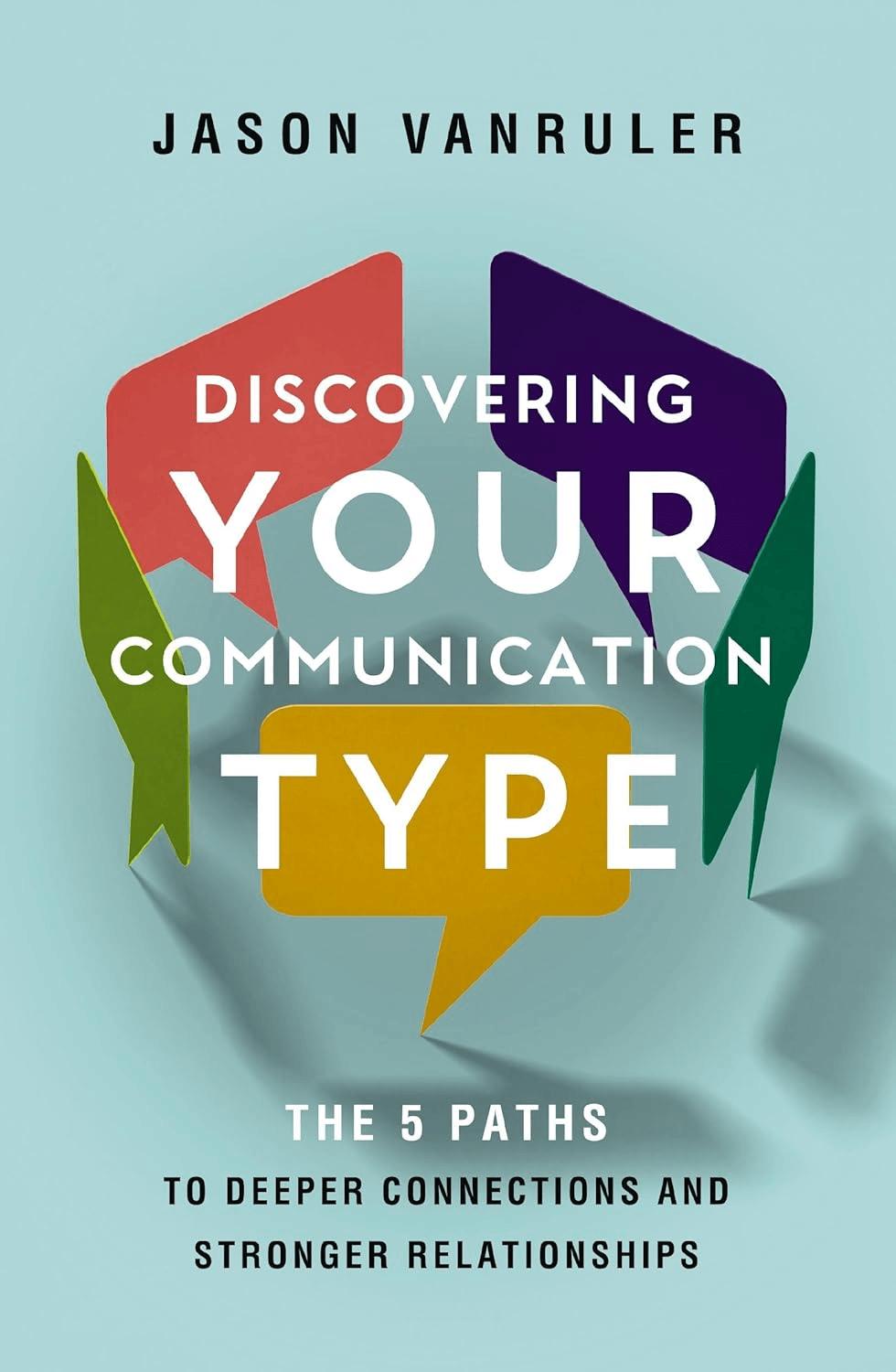
Jason VanRuler is a psychotherapist, author and nationally recognized speaker specializing in communication, attachment and relationships. He’s the author of Discovering Your Communication Type and Get Past Your Past and the founder of a thriving private practice. Known for blending insight, story and strategy, Jason leads workshops, retreats and intensives that explore the patterns shaping how we connect, lead and thrive.
Taken from “Discovering Your Communication Type” by Jason VanRuler. Copyright © 2026. Used by permission of Zondervan.