
Burning for More

Books, laptop, wine: John Mark Comer never sat in silence without them. A cabin allowed none. Undone, then healed. His new book begins here.

What do you do when you’re helpless, ashamed or dying? Give yourself back to God, says George MacDonald. It’s the simplest thing there is.
'Be still,' the psalm says. Too busy? Bobbie Schaeperkoetter sighed too, then found relief inside the command. She opens her book to Rapt readers.

You've sung God a welcome and wondered whether he'd come. He's the host. He called first. Adriel Sanchez hands these pages to Rapt readers.

Ever been moved to tears by beauty without knowing why? That's God's love breaking into your smallest moments, says Timothy Willard. A Rapt original.

Skipped something you wanted because nobody would go? Annie F. Downs on going anyway and the world that opens. Set aside for Rapt readers.
Still trying to make yourself change? Jonathan Bailey opens his new book to Rapt readers with an ancient, slower path to transformation.

Ever prayed for the presence of God? Ever felt it? You can. Gary S. Selby opens his new book on C.S. Lewis for Rapt.

When time feels like it's running out, take the long way home. Timothy Willard took it under a supermoon and wrote it for you.
The in-between is not empty. Mary’s story shows how God meets us in ordinary waiting and quietly forms what comes next.

When prayer stops feeling like something to master, silence can gather the soul and teach us how to remain with Jesus.

A garden's unnecessary beauty interrupts the rush to be useful, loosening worry and teaching us to receive each day as a gift.
God never intended faith to be dry or distant. He invites you to taste his goodness, delight in his presence and discover that he alone can satisfy the deepest longings of your heart. When you slow down to savor who he is, worship becomes more than duty — it becomes a feast that leaves you longing for even more of him.
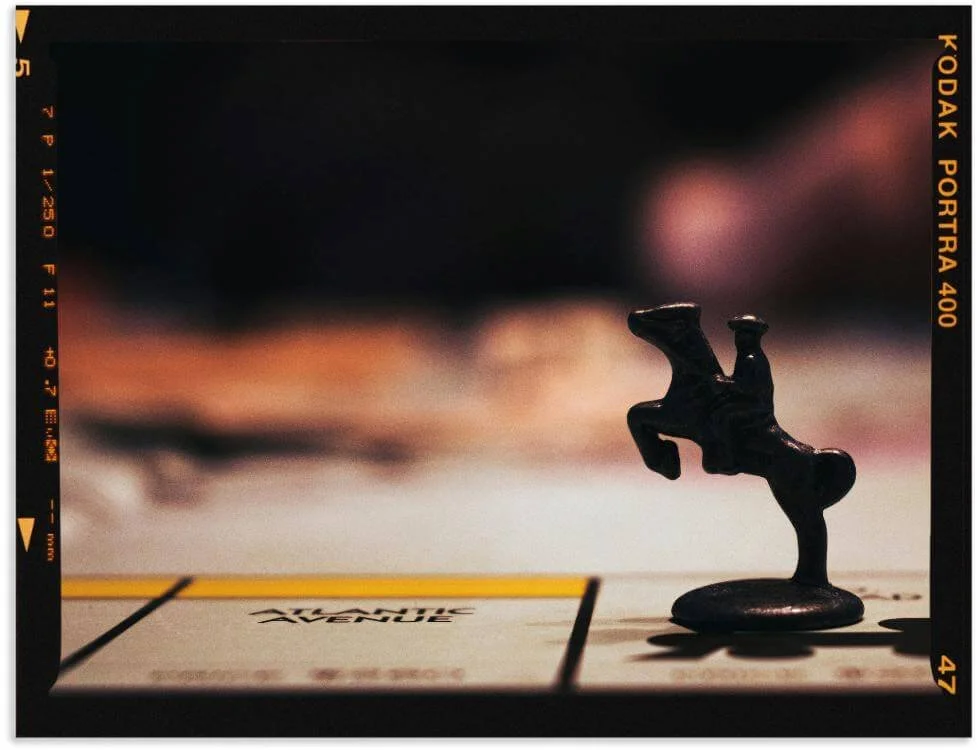
Play is more than a way to pass the time — it is one of the ways God draws us toward one another. Whether around a game board, a radio or a shared pastime, ordinary hobbies can quietly remind us that we were created for connection, not isolation. Sometimes the simplest moments of play awaken us to the deeper fellowship we were made to enjoy.
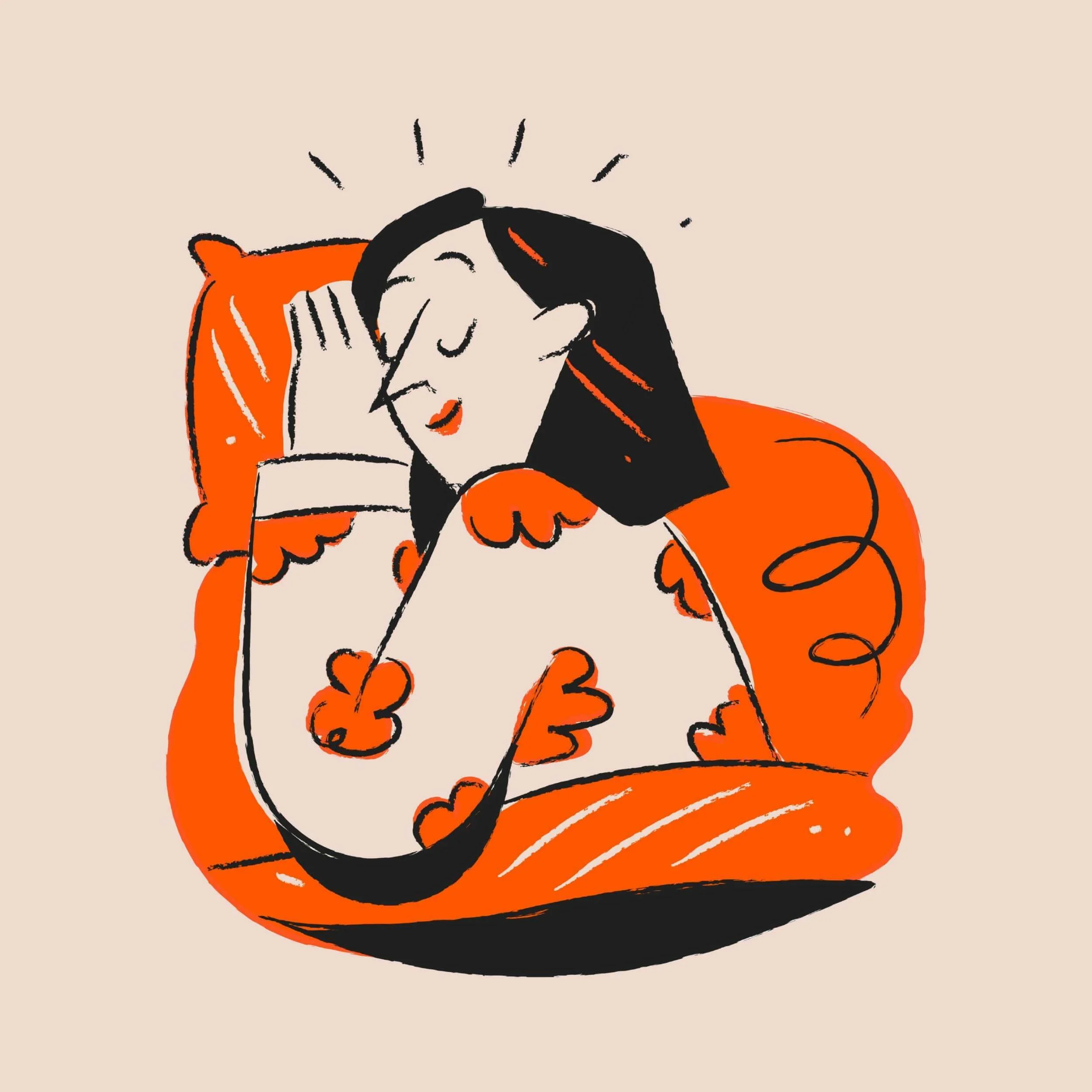
What fills your mind shapes far more than your thoughts — it shapes your life. God still speaks, even in the quiet of the night, bringing clarity, direction and hope to hearts willing to listen. As you learn to discern his voice from every other influence, even your dreams can become invitations to know him more deeply and walk more confidently in his purpose.

When every shortcut promises ease, discover the quiet invitation to think deeply, feel honestly and stay rooted in the voice of God.

Trying to fit someone else’s mold causes us to miss the beauty of becoming ourselves. But God isn’t asking us to become anyone else.
The Psalms assume something many of us forget: if God already knows our hearts, why hide them? Their prayers are startlingly honest — full of praise, doubt, gratitude, grief, confession and longing. The psalmists speak freely because they trust they are fully known and still welcomed. In teaching us to bring our whole selves before God, the Psalms reveal that honest prayer is not irreverence. It is intimacy.

A slave alone on Irish mountainsides, Saint Patrick learned to meet God in every moment and circumstance — wind, rain, work, fear, silence.
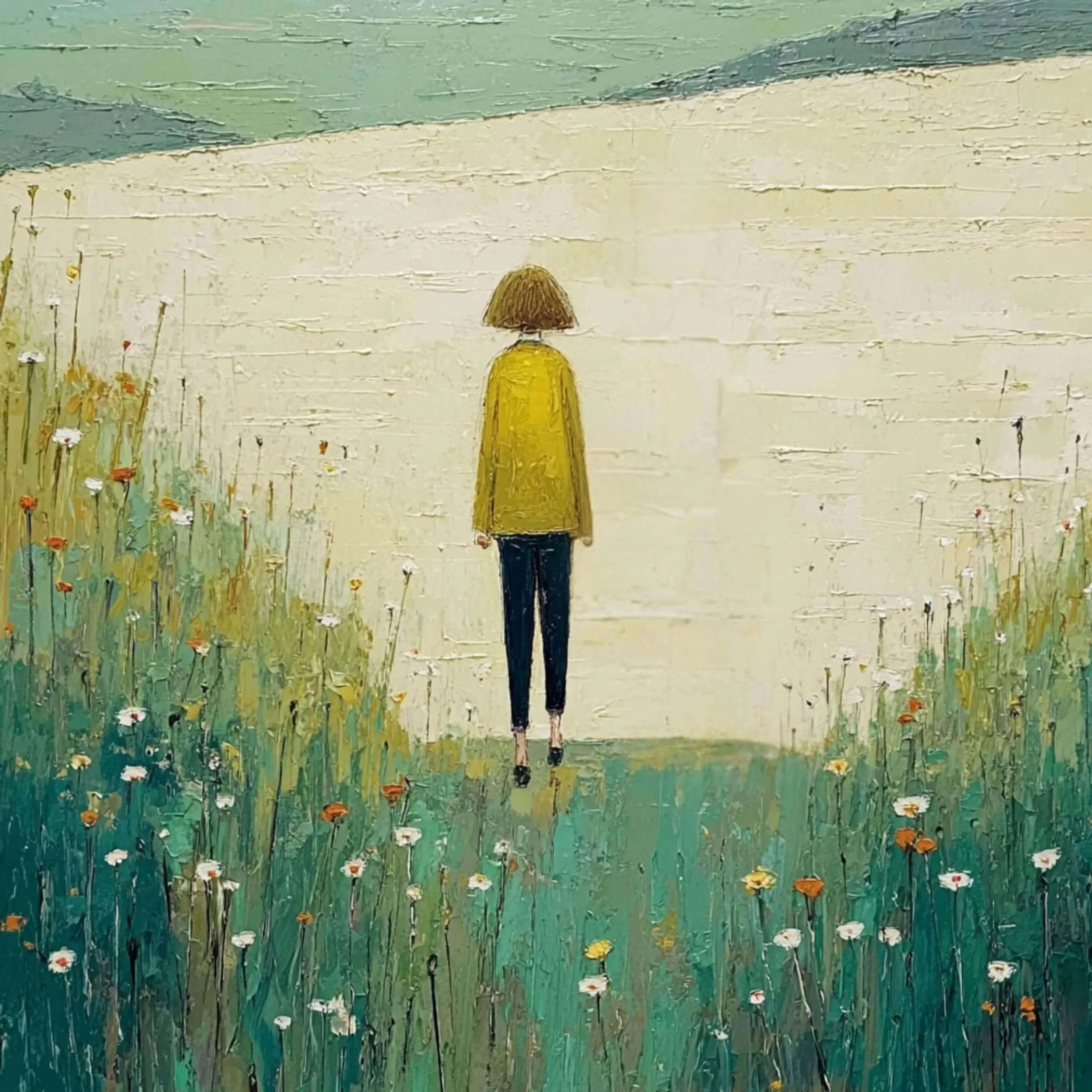
Hope rarely arrives all at once. More often, it appears in fragments — in birdsong through open windows, sunlight on garden leaves, burnt cookies cooling on the counter, the quiet breathing of someone you love beside you in bed. We spend much of life straining for clarity while God keeps teaching us to notice beauty in the blurred edges of ordinary days. Perhaps faith is less about possessing certainty and more about learning, again and again, to believe that even fragile things still carry the architecture of hope.

Sometimes the hardest seasons are not marked by catastrophe but by silence — prayers that feel unanswered, worship that feels hollow, a faith that suddenly seems stripped of warmth. We assume something must be wrong with us or with God. But what if the emptiness is not abandonment or punishment? What if God is teaching us to seek him, not merely the feelings he gives? The dark night may feel like loss, but often it is the slow, painful work of learning to love God for himself.

Faith is not the rejection of reason but the recognition that God is bigger than what reason alone can explain. Christianity begins with miracles — a resurrection, an empty tomb, a Spirit who still moves in the world. The same God who stirred kings and answered desperate prayers still works beyond human understanding today. Following Jesus means loving God with both mind and heart, learning to trust that what transcends explanation is not therefore irrational, but holy.

It’s easy to believe God is disappointed in us, keeping score from a distance. But what if he’s nearer than that — speaking into the noise, pushing back on the accusations we rehearse in our own minds? The battle is often inside us. And in it, Jesus isn’t standing against us, but for us — steady, clear, reminding us what’s true when we forget.
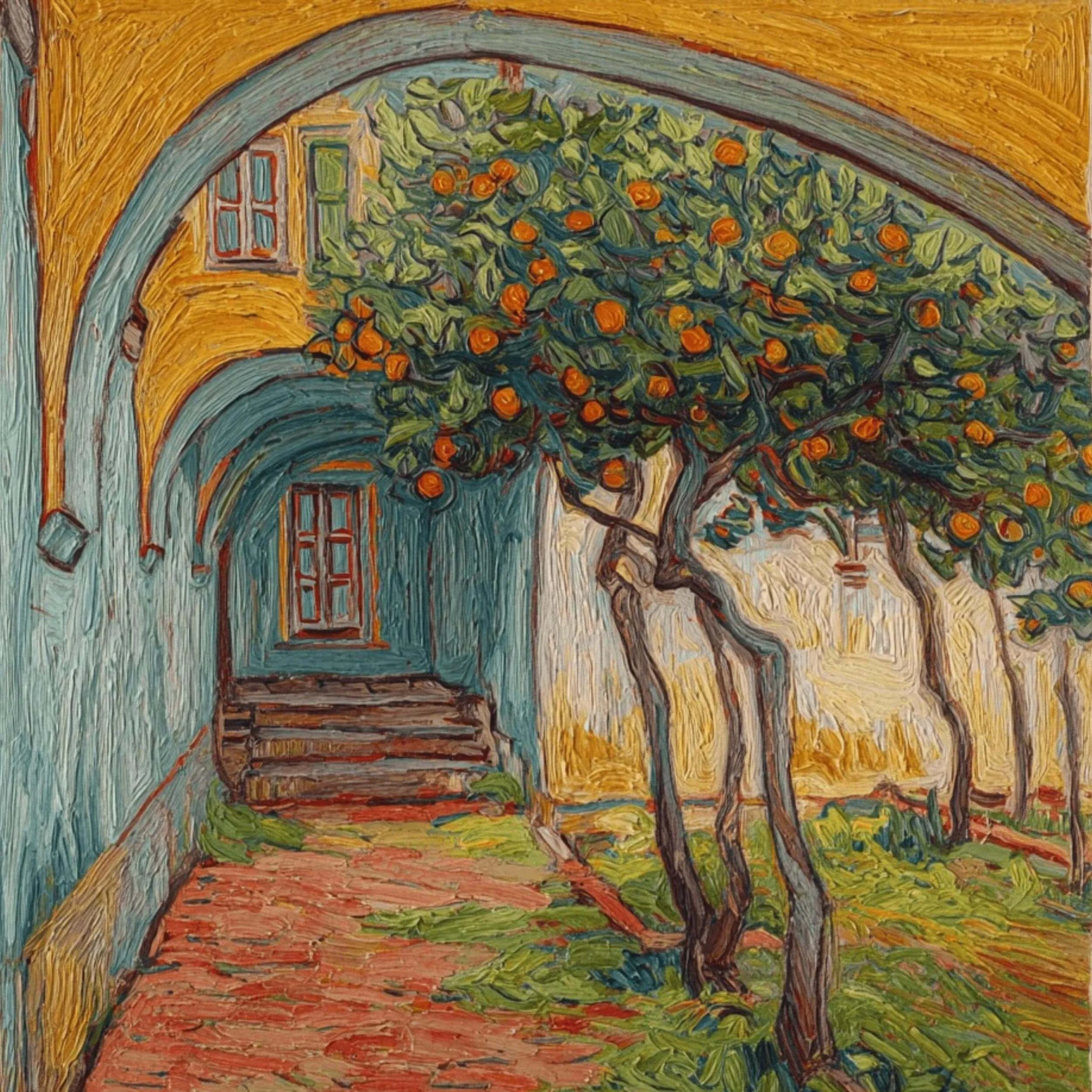
Some days, faith looks less like standing tall and more like folding low — tucking yourself into God’s presence like a child who knows where home is. Not to escape the world, but to be held within it. Hidden in him, you begin to see clearly again: beauty, fragility, joy. And from that quiet refuge, you find the courage to live fully, right where you are.

We often search for some hidden spiritual secret, as though holiness were a code to crack. But what if faith is far more familiar than that? Not a mystic “it” to chase, but a friendship to cultivate. Jesus’ invitation is wonderfully plain: abide in me. Stay near. Listen to my words. Let love, obedience and time do their quiet work in you.

Love, when it follows Jesus, rarely stays safe or measured. It risks reputation, comfort, even misunderstanding. Nicodemus came in secret, then stepped into the light. A woman poured out what others called waste. Both saw something worth everything. Extravagant love doesn’t calculate return. It simply gives — because it has been given to first, more generously than we ever deserved.
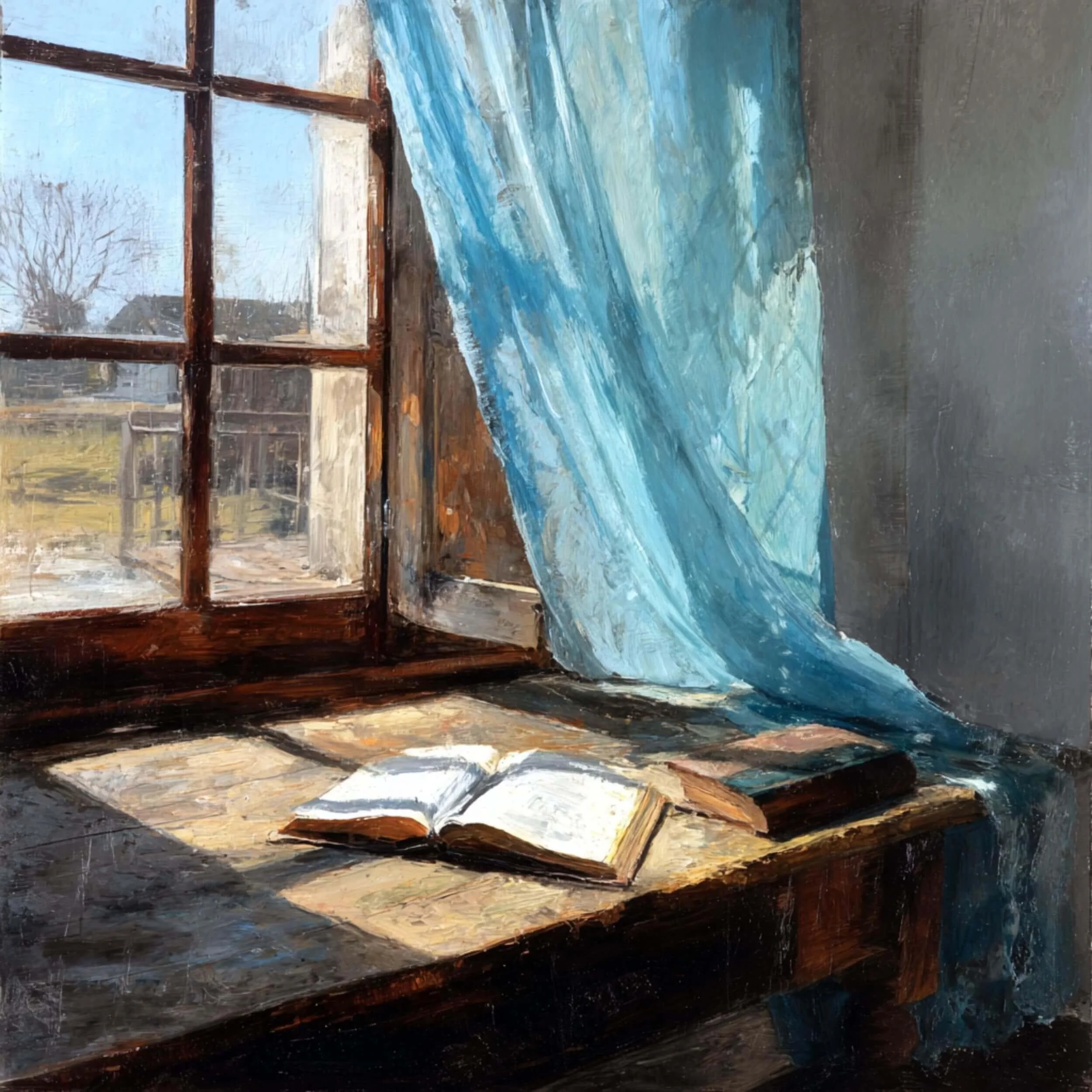
Some mornings begin with questions — spoken quietly to God before the day gathers speed. In those unguarded moments, wonder and whimsy return: the scent of rain, the warmth of sunlight, the small mercies of being alive. Prayer becomes less about answers and more about presence. And slowly, in stillness, we remember that life with God is not only duty — it is delight.

“I’m so tired,” I once prayed — and the quiet that followed felt like an invitation rather than a solution. Jesus’ words echoed: Come to me… and I will give you rest. Retreat isn’t escape from real life; it’s returning to it rightly. In unhurried time with God, our frantic pace slows, distractions settle like silt in water, and the soul finally drinks from the rest it has been seeking.

Last year I bought a bee suit and started keeping two hives in my backyard. It’s not productive in the usual sense. It won’t advance my career or help me check more boxes. But tending bees reminds me of something our culture forgets: we weren’t made only for work. We were made for restoration too — quiet practices that bring us back to ourselves, and back to God.

The first “I Can Only Imagine” proved faith-based films could compete. The sequel does something harder: it grows up. Instead of promising that success or prayer erases suffering, it lingers in what comes after the dream. Bart Millard’s fame doesn’t shield his family from pain, and faith doesn’t tie everything up neatly. It offers presence, not escape — and that honesty gives the film surprising weight.