Payment God Won’t Twice Demand: Your Case, Already Closed
J. I. Packer
3 min read ⭑
Luther gazed at Christ’s cross with steady joy and gloried in the fact that whoever trusts Christ can be assured of his love. He once wrote to a troubled friend, “Learn to know Christ and him crucified. Learn to sing to him, and say, ‘Lord Jesus, you are my righteousness, I am your sin. You have taken upon yourself what is mine and given me what is yours. You have become what you were not so that I might become what I was not.’” There has been an exchange, a great and wonderful exchange (Luther actually used that phrase, a “wonderful exchange”), whereby the Son of God has taken all our guilt in order to set upon us all his righteousness. Was there ever such love?
Rabbi Duncan was a great old Reformed teacher in New College, Edinburgh, a hundred and more years ago. In one of his famous excursions in his classes, where he would move off from the Hebrew he was supposed to be teaching to theological reflections on this or that, he threw out the following question: “Do you know what Calvary was? What? What? What? Do you know what Calvary was?” Then, having waited a little and having walked up and down in front of them in silence, he looked at them again and said, “I’ll tell you what Calvary was. It was damnation, and he took it lovingly.” The students in his class reported that there were tears on his face as he said this. And well there might be. “Damnation, and he took it lovingly.” Amazing love indeed!
Calvin’s exposition of the clause of the creed that says “He descended into hell” related it to the three hours of darkness on the cross, when the Son felt himself forsaken of his Father because he was bearing the world’s sin. Probably that is not what the creed originally meant, but it is a correct exposition of the truth about the cross. What love!

Deep Trivedi;Unsplash
Deep, rich and full peace of conscience comes only when you know that your sins have been not simply disregarded but judged, judged to the full and paid for in full by the Son of God in your place. This is expressed in a beautiful hymn by Augustus M. Toplady, a hymn to which he gave the title “Faith Reviving.” This is the troubled Christian finding peace again.
From whence this fear and unbelief?
Has not the Father put to grief
His spotless Son for me?
And will the righteous Judge of men
Condemn me for that load of sin
Which, Lord, was charged on thee?
Complete atonement thou hast made
And to the utmost farthing paid
Whate’er thy people owed.
Nor can God’s wrath on me take place
When sheltered ‘neath thy righteousness
And covered by thy blood.
If thou my pardon hast secured
And freely in my room endured
The whole of wrath divine,
Payment God cannot twice demand,
First from my bleeding surety’s hand
And then again from mine.
Return, my soul, unto thy rest;
The sorrows of thy great High Priest
Have bought thy liberty.
Trust in his efficacious blood,
Nor fear thy banishment from God
Since Jesus died for thee.
“Let men count it folly, or frenzy, or whatsoever. We care for no knowledge, no wisdom in the world but this, that man has sinned and God has suffered, that God has been made the sin of man, and man is made the righteousness of God.”
If you want to know what it means to say that Christ died for someone, for you or for me, that hymn tells you. If ever you asked, “Why the cross?” — well, now you know.
Now you can see why Richard Hooker, that great Anglican theologian of the sixteenth century, wrote this at the end of his “Learned Sermon on Justification”: “Let men count it folly, or frenzy, or whatsoever. We care for no knowledge, no wisdom in the world but this, that man has sinned and God has suffered, that God has been made the sin of man, and man is made the righteousness of God.” My sin has been judged already, its penalty fully paid. “Payment God cannot twice demand, / First from my bleeding surety’s hand / And then again from mine.” I am forgiven and accepted in Jesus, the beloved Son of God.
Folly? Frenzy? No. Simply grace and mercy. That is my peace; I trust it is yours. Here is the place of joy and glory, of thanksgiving, of the almost overwhelming delight to which scriptural meditations on Christ’s death as sacrifice, substitution and satisfaction lead us. “Thanks be to God for his indescribable gift!” (2 Cor. 9:15, NIV).
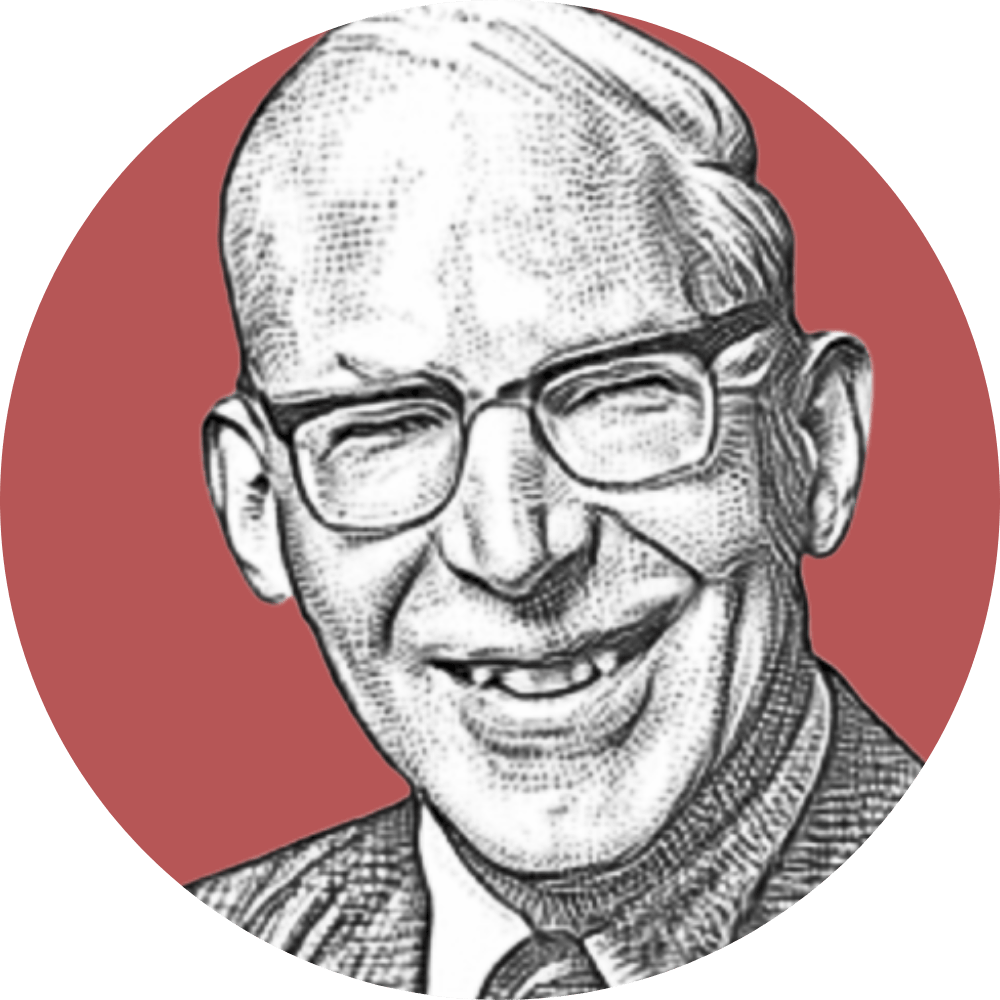
J. I. Packer (1926-2020) was the Board of Governors' Professor of Theology at Regent College in Vancouver, British Columbia. An ordained Anglican minister, he held a D.Phil. from the University of Oxford. Dr. Packer authored numerous influential works, including Rediscovering Holiness, Evangelism and the Sovereignty of God and the bestselling Knowing God. He was widely regarded as one of the most influential evangelical theologians of the 25th-century.
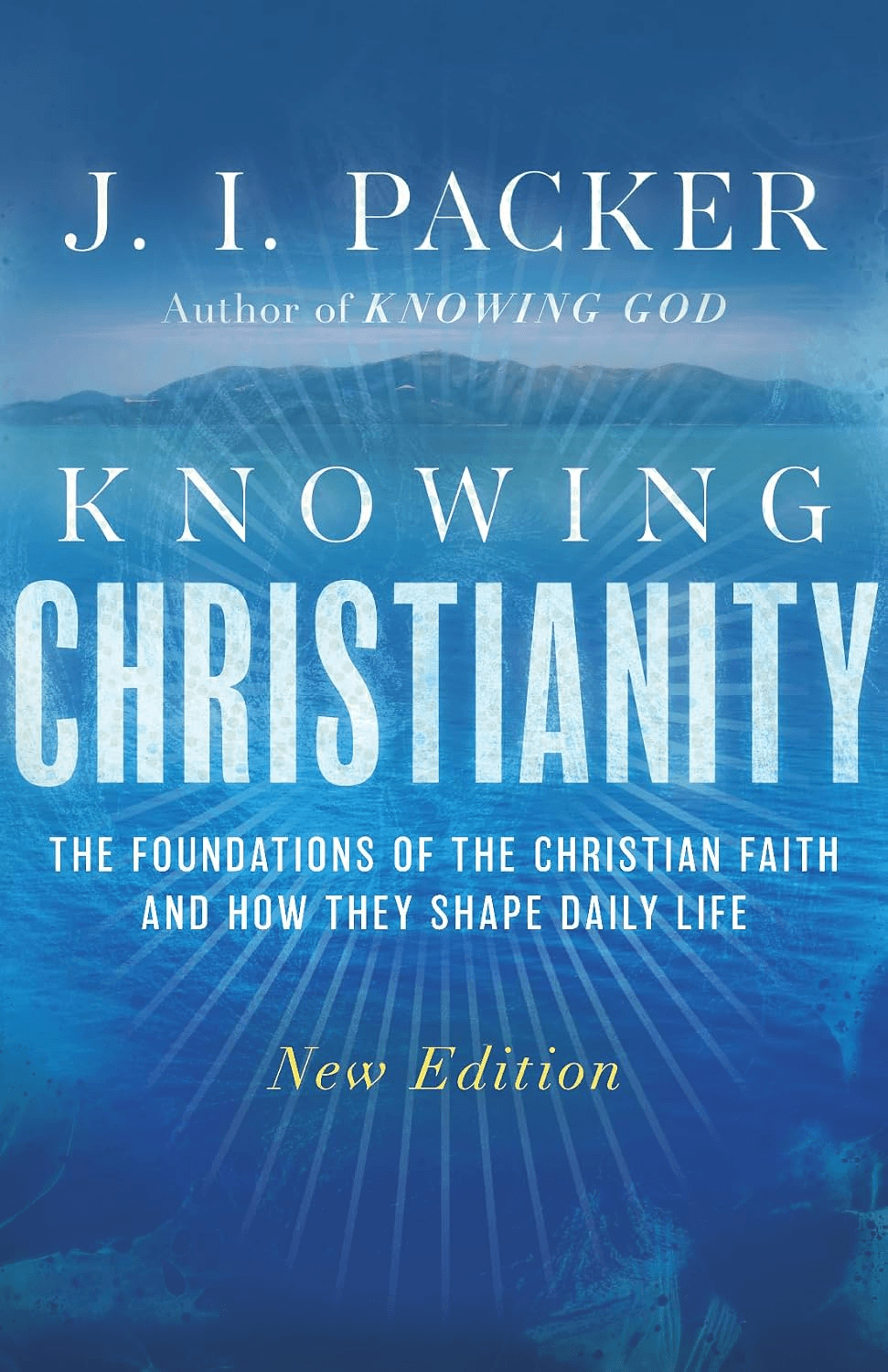
Taken from “Knowing Christianity” by J. I. Packer. Copyright © 2026. Used by permission of InterVarsity Press.