
Jean Neely
10 min read ⭑

“The most helpful spiritual practices for me tend to be tied to community. Spiritual companionship refreshes my soul and helps me bear with my inner storminess.”
Dr. Jean L. Neely is a Korean American writer and teacher who writes and speaks on the intersections of faith and mental health. Jean appreciates contemplative spirituality and is a Benedictine oblate inquirer. She loves good books, good coffee and deep conversations. Her debut book, Christ in the Abyss: Cultivating Deep Faith Amid Depression and Despair, offers hope to those navigating unresolved depression and mental illness.
In this interview, Jean lets readers in on some things that bring her joy — her favorite traditional dishes that feel like home, the miracle of plant propagation, and “cultivating communal spaces that feel welcoming for the soul.” She opens up about the transformative work of the Spirit in her journey with a bipolar depressive condition, and she shares some helpful spiritual practices tied to community and spiritual companionship. Continue reading to learn more about Jean as well as the disciplines and resources that have helped shape her story.
QUESTION #1: ACQUAINT
Food is always about more than food; it's also about home and people and love. So, how does a go-to meal at your favorite hometown restaurant reveal the true you behind your web bio?
Whenever friends ask where we should go to eat, I almost always suggest Korean food. I don’t necessarily have one go-to restaurant since there are a ton of great options in the Los Angeles area. My favorite dishes are things like spicy sundubu-jjigae (soft tofu stew) and dolsot bibimbap — mixed rice, meat, veggies, and a fried egg in a hot stone pot. I love how everything sizzles and keeps cooking in the pot as you mix it all up with a big dollop of gochujang. I also love kal-guksu, a soup with traditional knife-cut noodles. My grandmother used to make that a lot when I was growing up. These days, a go-to meal I make at home is doenjang-jjigae, a soybean paste-based stew with tofu and veggies. It’s a favorite for the whole family. I don’t have only Korean food all the time, but it's what most feels like home.
Kevin Lessy; Unsplash
QUESTION #2: REVEAL
What “nonspiritual” activity have you found to be quite spiritual, after all? What quirky proclivity, out-of-the-way interest, or unexpected pursuit refreshes your soul?
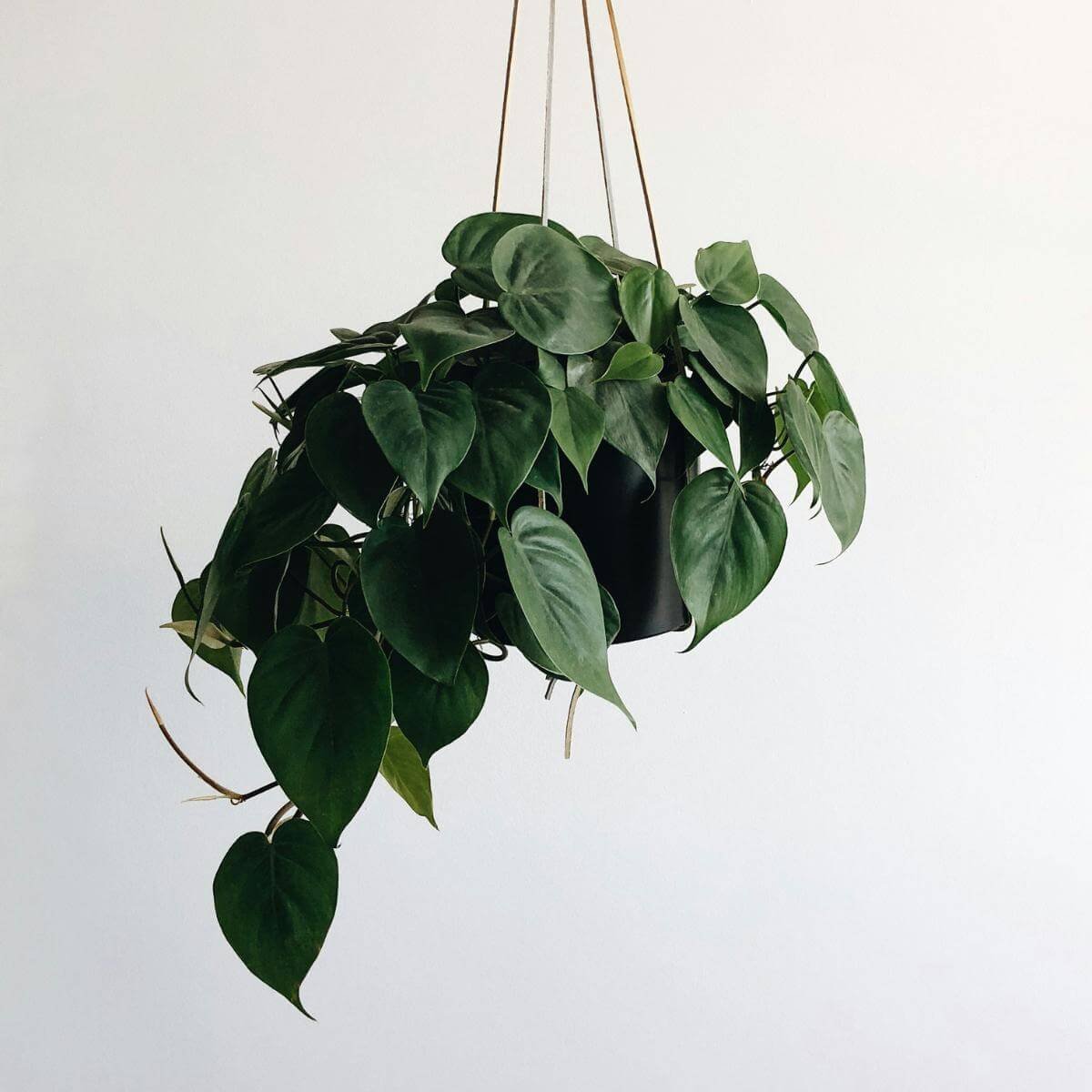
Propagating plants is a joy-filled obsession of mine. I just love watching green things grow! We have little pothos plants all around our home, all started from two main plants. I enjoy gifting them as well. I think every single local friend of mine has received a pothos plant from me at some point over the years! Succulents are great, too. During the pandemic lockdown, I happened to learn that you can propagate succulents from just one leaf. That was a revelation, and propagating succulents from single leaves became another obsession. It’s such a wonder to me that the whole plant is stored in this broken part. One little leaf will start to sprout tiny pink roots and then bud a whole miniature plant at its base! And there’s nothing we do to make it happen. We just watch and wait. It’s miraculous.
Creative activities really refresh my soul, too. Music has been a lifeline for me since I was young, especially playing piano. There’s something so satisfying in the feel and the weight of the keys and the concrete connection to the beauty in sound. I’m slow and sloppy and don’t have a grand repertoire, but I enjoy it so much. It’s a great outlet for inner tensions and emotions. And knitting is another love. I find the feel of the yarn and the repetitive rhythms soothing. I knit through meetings, classes and church. I have a tough time sitting still for very long without my knitting. It helps me to listen more attentively and focus for much longer than I’d be able to without needles and yarn in hand. I ran out of people to make scarves for years ago, so these days I like to make baby blankets that I donate to a local organization.
QUESTION #3: CONFESS
Every superhero has a weakness; every human, too. We're just good at faking it. But who are we kidding? We’re all broken and in this thing together. So, what’s your kryptonite and how do you confront its power?
Where to begin! I overindulge too much — like with sweets and snacks and staying up too late watching Korean dramas. But I think what probably trips me up the most is my default tendency towards despair. It’s this deep tug in me, a mixture of fear and dread, and a helpless, hopeless feeling. It doesn’t always show because it’s not the only thing I’m feeling, but I have this constant doomsday hum of anxiety in the background. Fighting that downward pull sometimes feels like a full-time job. I get anxious over little things like driving to new places or meeting new people. Even though part of me loves being with people and seeing new places, there’s another part of me that gets nervous about all the unknowns in unfamiliar territory. It doesn’t always stop me from doing things, but I think it does shrink my world a bit. I tend to be overly cautious. I wish I could be more adventurous and carefree.
The most consistently helpful thing in dealing with this has been connecting with family or friends about how I’m feeling and letting them chime in with their calmer, more hopeful perspectives. I have a couple of different text threads with good friends that I’m on pretty much every day. Talking with a friend about my inner drama often helps bring the terror level down from 9 or 10 to a 5 or 6. My friends remind me of times in the past when I’ve freaked out and when things have turned out okay or better than okay, and they encourage me to breathe, stay in the present moment, and think about how things might go well. It also helps to have effective medication and a good therapist. But checking in with my friends regularly feels like the most steadying thing in the day-to-day.
QUESTION #4: FIRE UP
Tell us about your toil. How are you investing your professional time right now? What’s your current obsession? And why should it be ours?
The work I’m most excited about these days is tied to my book “Christ in the Abyss: Cultivating Deep Faith Amid Depression and Despair,” which comes out on June 9th. I wrote this book thinking of my younger self, when I was struggling so much with severe depression and longed for more helpful insight on mental health from the church. When I was growing up, there was a lot of shame associated with mental illness and a tendency to attribute mental health difficulties to weak faith or moral failure, and that fueled a lot of spiritual anxiety. For years, I worried that God was disappointed with me for being depressed and anxious so much of the time. And with my despair tendency, I often wondered if I could even be considered Christian or if I’d fallen beyond the reach of grace.
In the book, I wanted to bear witness to mercy that has consistently been so much more expansive than I tend to believe is possible. My family and friends are often the ones who make Christ’s mercy real and palpable in my life, over and over again, and I want to be that kind of voice and presence for others, too. I think a lot of people who live with mental struggles can feel pretty isolated or unsupported in their churches. I’m hoping my book will encourage more open conversation about mental health and foster deeper connection in our faith communities. That’s something I’m passionate about in all my work — in my writing, in the classroom. I love cultivating communal spaces that feel welcoming for the soul.
QUESTION #5: BOOST
Whether we’re Cashiers or CEOs, contractors or customer service reps, we all need God’s love flowing into us and back out into the world. How does the Holy Spirit invigorate your work? And how do you know it’s God when it happens?
Writing is a practice that often feels like part of the Spirit’s work in my life. When I was younger, I was so embarrassed about living with a bipolar depressive condition. My good friends knew about it, but it’s not something I felt comfortable sharing with everyone. I think the fact that I write and speak publicly about it now is evidence of the transformative work of the Spirit in my life.
The process of writing my book, in particular, has felt healing and infused with the Spirit. When I first embarked on this project, I started reading through my old journals from my teens and twenties. Those years were filled with rich experiences and friendships, but also more turbulent episodes and severe depression. As years have passed, what always stood out in my memory when I thought about myself back then was the pain of depression, the spiritual desolation, and intense loneliness. I often felt neglected by God because my prayers for healing from depression weren’t answered. But when I read my journals as part of writing this book, I was shocked to find that there was actually so much grace woven through those days. For instance, I’d complain about how alone I felt, but then I’d also mention time I spent with friends or specific encouraging conversations I’d had. There was so much love that I was sort of oblivious to because my inner reality was full of pain and self-rejection. Reflecting back on my life in the writing process helped me to notice the arc of a story that’s different from the story that I tend to tell myself about myself.
QUESTION #6: inspire
Scripture and tradition beckon us into the rich and varied habits that open our hearts to the presence of God. So, let us in. Which spiritual practice is working best for you in this season?
The most helpful spiritual practices for me tend to be tied to community. Spiritual companionship refreshes my soul and helps me bear with my inner storminess.
I’ve appreciated Benedictine spirituality for years and have gone on several annual silent retreats at a local Benedictine abbey I love. And I finally became an oblate inquirer of the abbey last fall to actively explore the oblate path. (Oblates are people who affiliate with a specific Benedictine community and embrace the Rule of St. Benedict in their life outside the monastery.) Every part of this journey has felt like such a gift — the time with my oblate mentor, getting to know other oblates, conversations with the monks, the retreats, the lectures and teachings, the readings. As I read the Rule and learn more about the liturgy of the hours (the praying of Psalms throughout the day), I’m slowly starting to integrate some Benedictine rhythms into my day, just little bits at this point. I like listening to parts of “The Daily Office” podcast in the morning and evening, especially the appointed Psalms for the day. I’m grateful for how the faith and prayers of the community can carry you, how they carry me in a way that makes my own moods and unsteadiness in faith feel less significant.
I also meet weekly with a little group for silent prayer (contemplative centering prayer). The first half of our hour together is in silence, and the second half is for lectio divina, meditative reading of Scripture and a spiritual text. I tend to be restless and always occupied with too many thoughts, so I find the communal aspect of gathering for contemplation really helpful. There’s something special about the gentle kinship with people in the group, and time with them is a highlight in my week.
Reading and learning my favorite poetry by heart has also been a really grounding and calming practice for me. This year has been the year of Gerard Manley Hopkins.
QUESTION #7: FOCUS
Looking backward, considering the full sweep of your unique faith journey and all you encountered along the way, what top three resources stand out to you? What changed reality and changed your heart?
Kathleen Norris’s “The Cloister Walk” is the book that introduced me to Benedictine spirituality. Before then, I didn’t know much about contemplative spirituality, and I didn’t know about the existence of oblates. Norris introduced me to rhythms of faith that are different from the kind of devotional sensibilities I grew up with in Protestant evangelical spaces. “The Cloister Walk” was my first exposure to faith centered on the liturgy of the hours, the chanting and praying of the Psalms, and the call to “welcome every person as Christ.” When I read Norris’s stories about her time with these communities steeped in poetic rhythms of prayer and radical hospitality, I thought, I want to be a part of that! Her book planted the seeds and the longing that led me to the oblate path.
Thomas Merton’s “New Seeds of Contemplation'“ has been another life changer for me. Merton was a Benedictine as well — a Cistercian. There’s so much freeing, Christ-centered wisdom in “New Seeds” — gems on prayer, our true self, the life of Christ in us. I’ve read and listened to it multiple times and always find it so enriching. I love everything I’ve read and listened to by Merton. He has been a treasure of a soul friend.
There are so many others, but another really notable one for me is Parker Palmer’s “Let Your Life Speak.” Before reading that book years ago, I always felt guilty for not being more like other Christians. I compared myself to all my Christian friends and thought I should be more outgoing, more energetic, more active in ministry and certain kinds of service to the church. All through grad school, I tended to feel like I was being selfish for spending so much time reading and writing about literature — and that’s despite the fact that I personally feel like literature has saved my life! Palmer’s book taught me that I can be faithful to Christ by just being myself.
Certain things can be godsends, helping us survive, even thrive, in our fast-paced world. Does technology ever help you this way? Has an app ever boosted your spiritual growth? If so, how?
I love Pray As You Go! I’ve been listening to it for years. It’s so good. I love the sound of bells ringing to invite you into prayer. I appreciate the way it presents Scripture with gentle reflection questions. And the music is wonderful — a lot of songs from Taizé and other rich, often contemplative music. A few weeks ago, I was so struck by the words “in the beginning was love…” in the opening song by Jon Guerra. Hearing that felt jarring in a wonderful way, like the cosmos being cast in a new, warmer light.
QUESTION #8: dream
God’s continually stirring new things in each of us. So, give us the scoop! What’s beginning to stir in you but not yet fully awakened? What can we expect from you in the future?
I’m not sure about future projects at the moment. I’m in the season of celebrating the dreams of the past few years, finally becoming a reality with the release of “Christ in the Abyss.” It took so many years for me to grow into the person who could even begin to write this and then years of writing without knowing if the book would just stay on my laptop! So for now I want to focus on enjoying the fruit of this labor, especially since my tendency is to always worry about the next thing. As the book comes out, I’m dreaming about more openness and communal supportiveness around mental health in our faith communities. I hope for people to feel more connected to other companions in the deep. I’m hoping people will be able to know more of Christ’s love and care in their abyss.
Dr. Neely shares openly about her tendencies toward anxiety and despair, but she also reveals the spiritual practices that help her through stormy seasons. She believes that the most helpful spiritual practices tend to revolve around community. She says, “Spiritual companionship refreshes my soul and helps me bear with my inner storminess.” We are not meant to bear the weight of this life alone. Galatians 6:2 says, “Carry each other’s burdens, and in this way you will fulfill the law of Christ.” Take a minute to reflect on the relationships you have with those closest to you. Are burdens being minimized and joys being multiplied within your community? If not, ask God to reveal his heart for your relationships and to lead you into a place where community can refresh your heart and the hearts of those around you.
Dr. Jean L. Neely is a Korean American writer and educator. She loves good books, good coffee, and deep conversations. She appreciates contemplative spirituality and is a Benedictine oblate inquirer. Her book, Christ in the Abyss: Cultivating Deep Faith Amid Depression and Despair, is available wherever books are sold. You can follow Dr. Neely on Instagram or subscribe to her Substack newsletter, Mercy in the Deep.