Communion with My Mother in My Father’s Gymnasium Church
Emily T. Wierenga
4 min read ⭑
In the love feasts among the Corinthian believers, people acted in a way that “[despised] the church of God” (1 Corinthians 11:22, NIV). Today we have such agape feasts, with their egg salad sandwiches and gossiping mouths. The hungry poor outside the doors while the fat became fatter in the foyer of the church.
But that is not what I find this time.
This time my dad’s church is not some tall, red-brick face that seems to glower down on people and dare them to climb its steps. Only to find the doors locked.
This time Dad’s church is a school gymnasium streaked with marks from the soles of kids’ shoes.
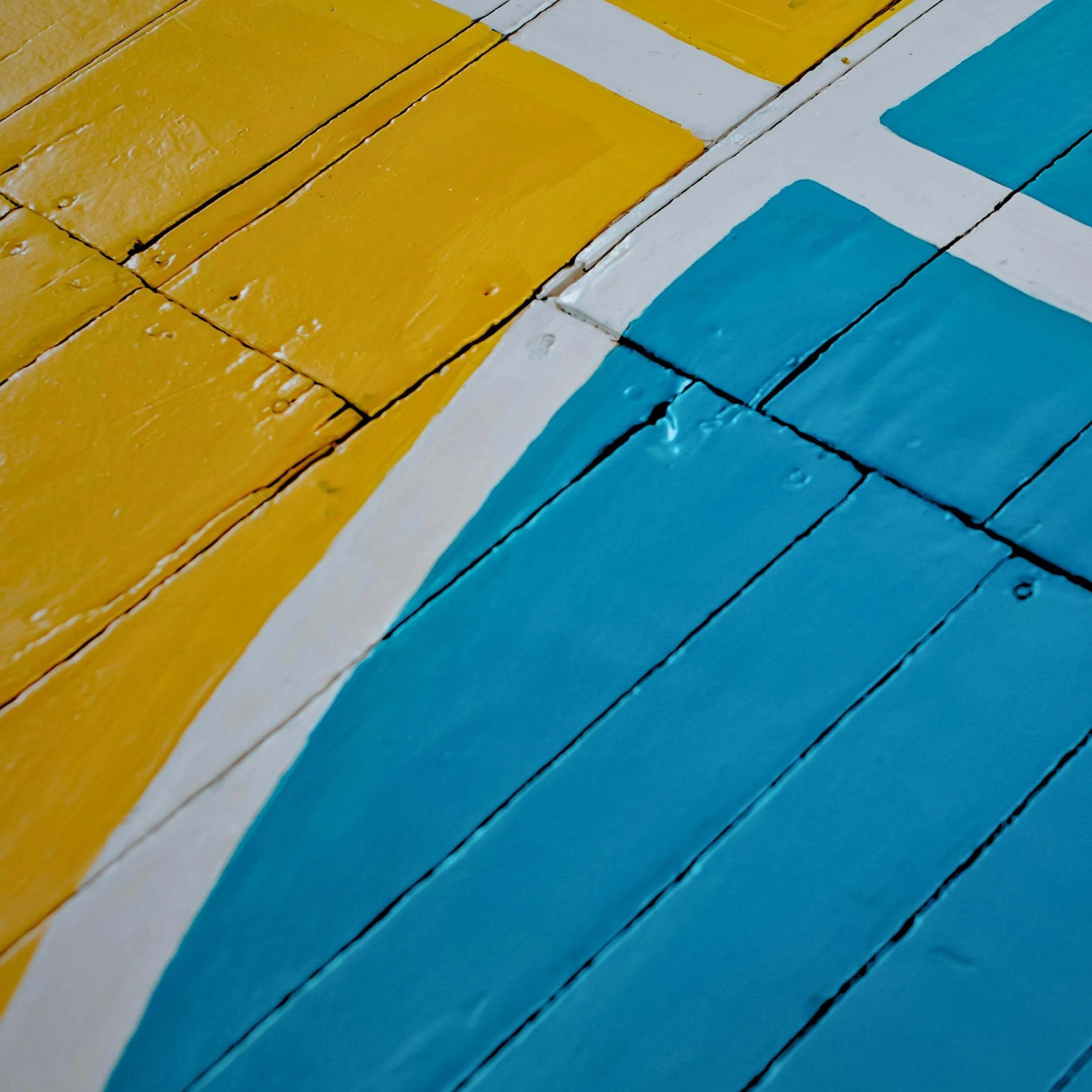
Unsplash+
Each Sunday my dad and his elders arrive early to lug in the worship stands and sound equipment. Each Sunday Dad erects a flimsy music stand as a podium, and then they set up the chairs. And if there’s a potluck afterward — or a “potbless,” as Mum would call it — then they pull out the folding tables.
Dad then drives home to get Mum, who’s fighting brain cancer. She’ll often still be trying to take her pills as she sits in her jean skirt with the buttons down the front. She’ll have her purse and her Bible, and she’ll have a bit of white residue from the pills on her lips. Sometimes I’ll dab light pink lipstick on her mouth. Then Dad and I will help her to the car, and we’ll drive a few blocks to the school.
We are the hungry poor. And we’re feasting together, witnessing God together, in torn leotards and plastic chairs.
As Fulton Sheen writes:
Broken things are precious. We eat broken bread because
we share in the depth of our Lord and His broken life.
Broken flowers give perfume. Broken incense is used in
adoration. A broken ship saved Paul and many other passengers
on their way to Rome. Sometimes the only way
the good Lord can get into some hearts is to break them.
We still drink juice. But we do it different now. We rise, row by row, make our way to the front, where the elders stand holding a loaf and a single goblet of grape juice. Mum toddles behind me, gripping my shoulder. Together we pull off some flaky bread, and I wonder if I’m taking too much — how much of Jesus’s body am I supposed to take? How much do I leave? I don’t want to be like those greedy people in the Corinthian church, keeping the food to myself, yet I want to truly taste Him. Then we dip the bread in the juice, and it stains purple, even as we bring Jesus to our lips. His body, His blood, one loaf, one cup. Sometimes our fingers stain purple too. It feels more eternal that way, more lasting.
We make our way back to the plastic chairs, Mum humming a tune, me thinking about Christ’s seamless garment, how even as the soldiers grabbed it, tore at His tunic, it wouldn’t rip. How Satan grabs at the church, pulling and stretching it, but in the end we remain one garment. One loaf. One goblet. Consumed, poured out for many, yet never used up. Never finished, because it is finished.
“It’s the slip of the fish into the net, the seed into the soil.”
We sit. Mum plays with her purse, and I ponder Jesus thirsting. “I am thirsty,” He said (John 19:28) in His final moments, in the fullness of His humanity, with the sole purpose of fulfilling Scripture.
Perhaps because He didn’t want His final words to be missed. He wet His throat so all the powers and principalities could hear Him declare, “It is finished.” (John 19:30)
Even as He died.
He thirsted so we might never thirst again.
The worship team begins to lead us. Mum rises awkwardly to touch heaven with her soft palms, her face lifted and eyes closed like she’s asleep on God’s chest. This is a good day. Sometimes we have to bring Mum to church in a wheelchair because her legs won’t work right.
We sound a bit like the seagulls, but it’s holy somehow, like the juice, like creation, in all of its dying and being reborn.
They have no speech, they use no words; no sound is heard from them. Yet their voice goes out into all the earth, their words to the ends of the world.
Mum doesn’t do a lot of talking now, but her silence is a sermon to me. In the way the volcanic mountains swallow their power and point instead with granite fingers to the One who made them. In the way the bush simply burned. It didn’t beg. In the way Jesus hushed the waves.
The kingdom of heaven does not belong to flesh and blood. There are also heavenly bodies and there are earthly bodies; but the splendor of the heavenly bodies is one kind, and the splendor of the earthly bodies is another.
It’s the slip of the fish into the net, the seed into the soil. It’s that space between something where I’m learning how to pray. That sacred place of rest and powerlessness. It’s the same kind of quiet that hovered over the waters at creation.
A silence that hovers over all of our souls, and breathes.
Emily Wierenga is an award-winning writer and commissioned artist. Her new devotional, Commune with Me, pairs with her latest memoir, God Who Became Bread. Other books include Atlas Girl, Making it Home, and Chasing Silhouettes: How to Help a Loved One Battling an Eating Disorder. Emily founded The Lulu Tree, a nonprofit serving vulnerable families around the world. She lives with her husband and three children on a farm in northern Alberta, Canada.
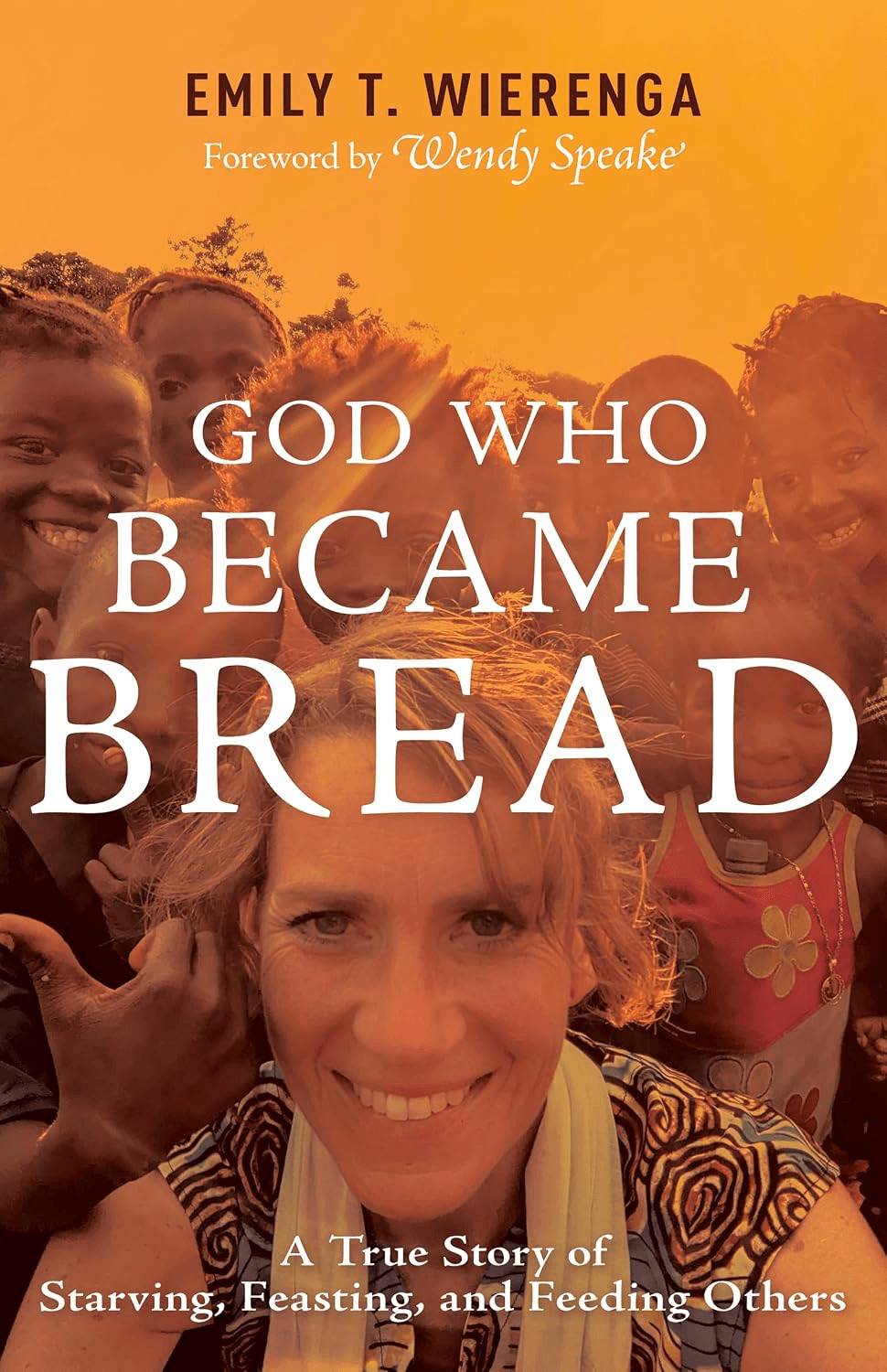
Taken from God Who Became Bread by Emily T. Wierenga. Copyright © 2024. Used by permission of Whitaker House.