The Grace of Cold Water: Finding Comfort in Discomfort
Shereen Yusuff
7 min read ⭑
We also boast in our sufferings, knowing that suffering produces endurance. — Romans 5:3
Science has shown that stress can be a positive experience, leading to higher resilience, provided we can handle the amount of stress we are exposed to. Examples of positive stressors include sitting in an ice bath for two minutes to combat inflammation and reset our nervous systems, lifting weights in the gym to strengthen our muscles, running a few miles to build endurance or walking barefoot over uneven or cold surfaces. It’s important to add that all these activities must be done freely for them to be considered positive stressors. If they’re forced on us, the experiences can be traumatic. Rendering the body more resilient by exposing it to positive stressors is called hormesis.
We have all heard the saying “What doesn’t kill us makes us stronger,” yet it’s not necessary to go to the extent of almost getting killed to receive this benefit. Today, we know that it is not only possible to completely heal from tragic incidents such as a death or a divorce, but that one can even experience post-traumatic growth, which allows us to emerge stronger after a painful incident.

Bryan Rodriguez; Unsplash
To understand how hormesis works, we must look at discomfort as an ally rather than an enemy. In the Christian sense, discomfort is often associated with acts of penance or offering sacrifices during Lent. When we make sacrifices, we’re more likely to act in a compassionate, patient and merciful way when we are exposed to negative stressors. This is because we have trained ourselves to be more tolerant of suffering. Many Christians are familiar with the practice of offering it up. This can be powerful if we’re able to see our feelings and emotions through Christ’s eyes. However, we may also end up spiritually bypassing a painful situation by simply offering it up due to our inability to deal with the discomfort and not learn valuable lessons that could lead to lasting growth and resilience.
We can use our breath to bear the pain associated with sitting in an ice bath for two minutes or turning the faucet to the coldest setting for about twenty seconds at the end of a shower. Experiencing the cold in the morning might be the hardest part of our day, thereby reducing the impact that negative stressors have on us for the rest of the day. Simply offering up our discomfort during a cold shower would lead us to a gritting-your-teeth approach as we wait for the shower to end. Instead, our goal is to calm our breath and recognize that feeling cold is a natural reaction without needing to fight or tolerate it.
The Impact of Positive Stressors on Resilience
Training our bodies and minds through positive stressors gives us the mental and physical strength to pick up our spiritual crosses every day and follow Jesus (Matthew 16:24). When we learn to breathe and experience our discomfort fully in situations of our own making, then our bodies and minds start becoming more resilient through experiences we don’t have much control over. In a way, we are training for a stressful event in the future that we’re not aware of today. The military is in training all the time. Soldiers don’t start training when war is declared. It’s the same with our minds and our bodies. We shouldn’t start training when we receive news that a loved one has passed away, that we have cancer or that we have lost our job. We should be training all the time so that when the traumatic event does occur, we are well prepared to take on the additional stress in our lives, be more prone to emerge from the unfortunate situation stronger and position ourselves to experience post-traumatic growth.
Running away from pain can lead to distractions, addictions or unhealthy habits in the short term. In the long term, it can lead to damaged relationships and an unsatisfied life. By incorporating hormetic stress into our daily lives, our bodies and minds are able to confront uncomfortable situations in real life, to not fear the unknown and to be resilient in stressful situations.
I mentioned the cold because enduring it is one of the most challenging tasks I face daily. I used to hate the cold. Now I love it and look forward to it despite the nervousness I feel. I remind myself of the benefits of being in the cold, which include reducing inflammation, boosting my immune system, resetting my nervous system and enhancing circulation within my body. The discomfort is extremely high during the duration of my cold exposure; however, the fruits of the experience have a long-lasting effect on my attitude toward everyone and everything for days afterward. If this is the price I pay for having a more patient, merciful and compassionate attitude toward my brothers and sisters, then I am willing to put in the effort to receive this gift.
In Daniel 3, Shadrach, Meshach and Abednego were thrown into a fiery furnace, heated seven times hotter than the customary temperature, as punishment for refusing to worship the golden statue that King Nebuchadnezzar had made. The furnace was so hot that it destroyed the people who threw the three young men into it. Yet in this furnace, Shadrach, Meshach and Abednego sang the praises and hymns recounted in Daniel 3:52–90. I encourage you to take a moment and look at these verses right now. The verses make me aware of how God is in everything and in everyone, including the things and people that bring us a lot of discomfort. They also highlight how we need to bless both the light and the darkness, for we would not know one without the other. More importantly, we can bless the light and the darkness while we are experiencing them. It’s great when we can look back with hindsight and notice the presence of God in our journey, but how much more resilient and powerful would we be if we experienced the presence of God while we were in the middle of a traumatic experience!
“By exposing ourselves to hormetic stressors throughout our day, we can practice the experience of surrendering to God and blessing God during those controlled, painful moments. ”
By exposing ourselves to hormetic stressors throughout our day, we can practice the experience of surrendering to God and blessing God during those controlled, painful moments. When I go into the ice bath, I take the time to be silent in my mind; I surrender to the pain I am experiencing, fully knowing that I am safe. I focus on my breathing, quiet my restlessness and end with prayer, blessing the Lord for all the ways he has given us to experience union with him: “Bless the Lord, ice and cold; sing praise to him and highly exalt him forever” (Daniel 3:69). I do this in extreme heat or while I climb mountains; I praise the Lord for all his gifts, for both comfort and discomfort. The more I do this in controlled environments of my own making, the easier it becomes for me to praise the Lord even amid negative stressors that are out of my control. Over time, the negative stressors become welcome opportunities that inculcate joy and excitement, versus dreaded events that I simply tolerate.
Eventually, we become like Paul and Silas, who were singing hymns and praying to God with joy even while they were locked in a prison cell (Acts 16:25). Or like the apostles who rejoiced after getting flogged for speaking in the name of Jesus (Acts 5:40,41). The joy they experienced from following God’s will for them far exceeded the pain and discomfort that following God’s will may sometimes bring. This joy gave them the courage to continue walking the path despite the hardships they faced.
Editor’s Note: There’s something sacred about the moment before you turn the shower knob to cold. You know what’s coming. Your body knows too — already tensing, preparing its protest. But here’s what I’ve discovered: this small, deliberate act of discomfort might be one of the most honest conversations you have with yourself all day.
We spend so much energy avoiding discomfort. We’ve engineered our lives to be temperature-perfect, cushioned, controlled. And yet, something essential gets lost in all that comfort. Something about resilience. Something about presence. Something about trust.
The Practice
When you finish your regular shower, pause. Take a breath. Then turn the water to its coldest setting. Start with your back to the stream, letting it fall on the nape of your neck where the nerve endings gather like a congregation.
Your breath will want to seize up. Don’t let it. Instead, exhale slowly, deliberately — longer than you inhale. Count if it helps: breathe in for four, out for eight. This isn't about conquering the cold. It’s about being with it, accepting its teaching.
After about ninety seconds, something shifts. Your nervous system realizes you’re safe. The panic subsides. You can turn and face the water directly. Let it run over your chest, your arms. Work toward two minutes total — not as an achievement to unlock, but as a threshold where transformation quietly happens. Your mood lifts. Your immune system strengthens. Your capacity for handling life’s inevitable discomforts expands.
The cold doesn’t care about your thoughts or your story about yourself. It simply is. And in that stark simplicity, there’s an invitation to be simply present too. No past, no future. Just this moment, this sensation, this breath.
Questions for Reflection
After a week of daily cold showers:
1. What have you been avoiding in your life that might actually be more bearable than you imagined?
2. How has your relationship with discomfort shifted, even slightly?
3. Where else might God be inviting you to step into something uncomfortable but ultimately healing?
The cold water is a teacher, if we let it be. And maybe that’s the whole point — learning to receive what feels difficult as a gift rather than a punishment. Learning that comfort isn’t always what our souls need most.

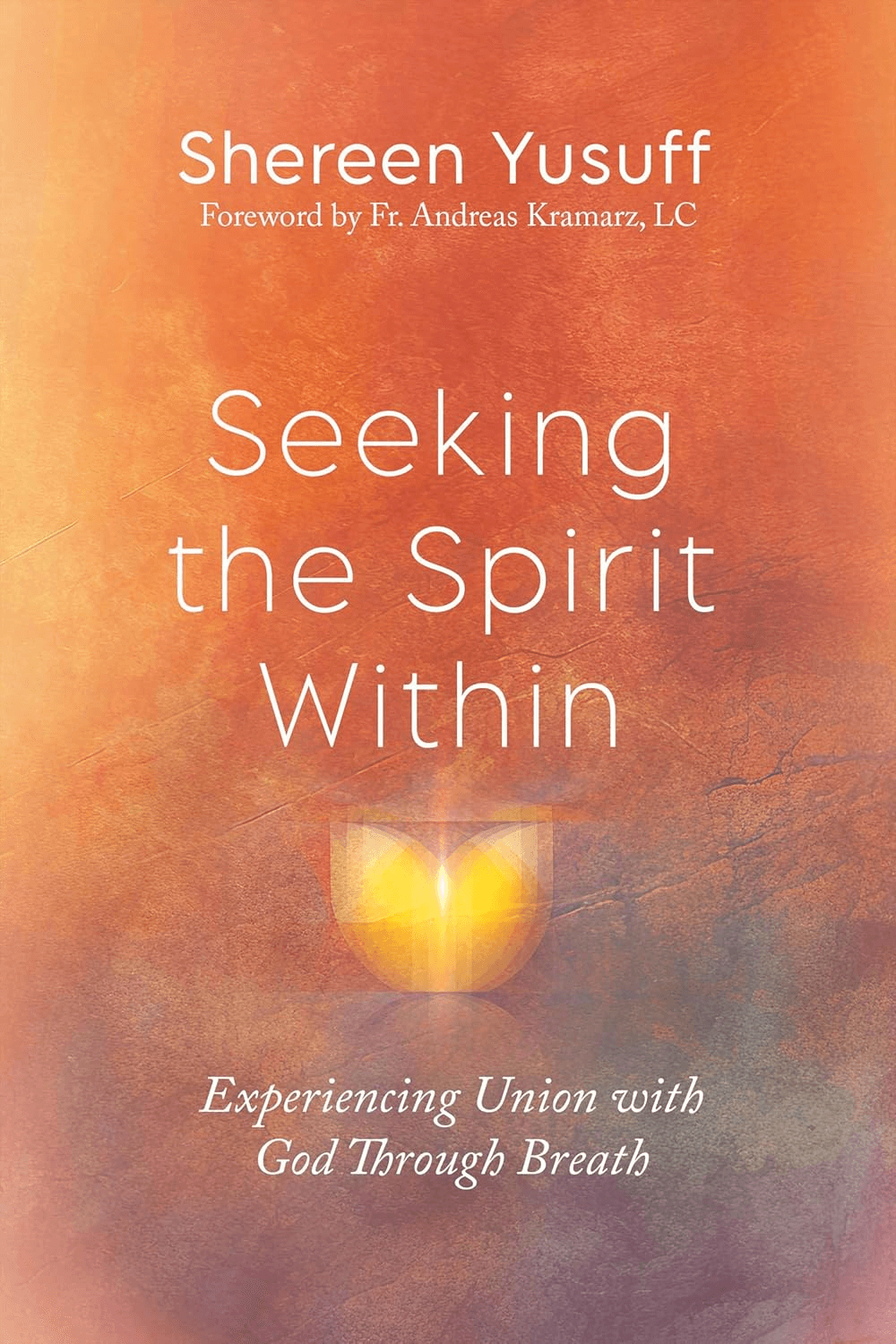
Shereen Yusuff is a Catholic convert, Benedictine oblate and accomplished endurance athlete. As a certified breath and movement coach and founder of Suda Prem Studio, Shereen has used breath and prayer to guide people from multiple religious communities toward a deeper awareness of God, which is now shared in her new book, Seeking the Spirit Within.
Taken from Seeking the Spirit Within by Shereen Yusuff. Copyright © 2026. Used by permission of Image, an imprint of Penguin Random House Christian Publishing Group, LLC.