Jennifer Camp
Jenn grew up in a Northern California almond orchard. And truly, she has never entirely come in from the trees, though her heart now resides in the Bay Area with Justin and, sometimes, their three grown children. She is Rapt’s Editor-at-Large. Between wilderness adventures, she runs Loop for Women, writes poems, and listens for a living. The story she likes to tell most, she says, is “the story of a lost girl, an almond tree, and a gentle Savior who loves fierce.” Follow Jennifer into the orchard.
Essays & Poems From our Editor-at-Large
Afraid to be known? What does God say when you look up? 'Come here,' for a start. Jennifer Camp wrote it down for Rapt.

When every shortcut promises ease, discover the quiet invitation to think deeply, feel honestly and stay rooted in the voice of God.
Hope rarely arrives all at once. More often, it appears in fragments — in birdsong through open windows, sunlight on garden leaves, burnt cookies cooling on the counter, the quiet breathing of someone you love beside you in bed. We spend much of life straining for clarity while God keeps teaching us to notice beauty in the blurred edges of ordinary days. Perhaps faith is less about possessing certainty and more about learning, again and again, to believe that even fragile things still carry the architecture of hope.
Some days, faith looks less like standing tall and more like folding low — tucking yourself into God’s presence like a child who knows where home is. Not to escape the world, but to be held within it. Hidden in him, you begin to see clearly again: beauty, fragility, joy. And from that quiet refuge, you find the courage to live fully, right where you are.
Some mornings begin with questions — spoken quietly to God before the day gathers speed. In those unguarded moments, wonder and whimsy return: the scent of rain, the warmth of sunlight, the small mercies of being alive. Prayer becomes less about answers and more about presence. And slowly, in stillness, we remember that life with God is not only duty — it is delight.
In the dark before dawn, I feel how miraculous it is to be here — skin tingling in the cold, sky turning from ink to pink, everything quietly holy. My thoughts still scatter, crowded and clumsy, but I speak them into the air and ask Jesus to be with me here. In movement and stillness, garden and keyboard, I’m learning a simple practice: be present, receive the sacred and call it home.

Gratitude doesn’t start as a feeling for me. It starts as a decision to look. To slow down long enough to notice beauty still offering itself: a warm coffee cup, December sunlight, a quiet house. Fear tells me everything is fragile — my body, my people, my time. Gratitude doesn’t deny that; it refuses to let fear narrate the whole story. It reminds me I’m held, even here.
There’s a rare freedom in people who know who they are without needing to prove it. They live open-handed — rooted, unashamed, fully present — able to carry both joy and grief without closing down. This kind of identity isn’t self-made or self-protected. It’s received. And when we stop grasping for ourselves, we begin to feel the steady weight of being truly alive.

Windchimes whisper in our garden as kids next door call “Papa!” and I ask God for words. Silence settles; a hummingbird perches. Then the memory: our first argument, my ache to “love better,” and his answer — I love you. I pushed it away until, the twelfth time, something cracked open. Softened, I finally believed it. He keeps saying it still. Love is home. Love is how he speaks.

When the world trembles and my courage hides, I light a candle and ask my heart if it’s ready. I hear: surrender. I remember: idols won’t hold. So I breathe, unclench and let Love lower my center. Do what’s before you, he says. Fill your heart till it spills. Be loved, be loved, be loved. Hope descends like a rope ladder; I climb, eyes up, into his steady light.
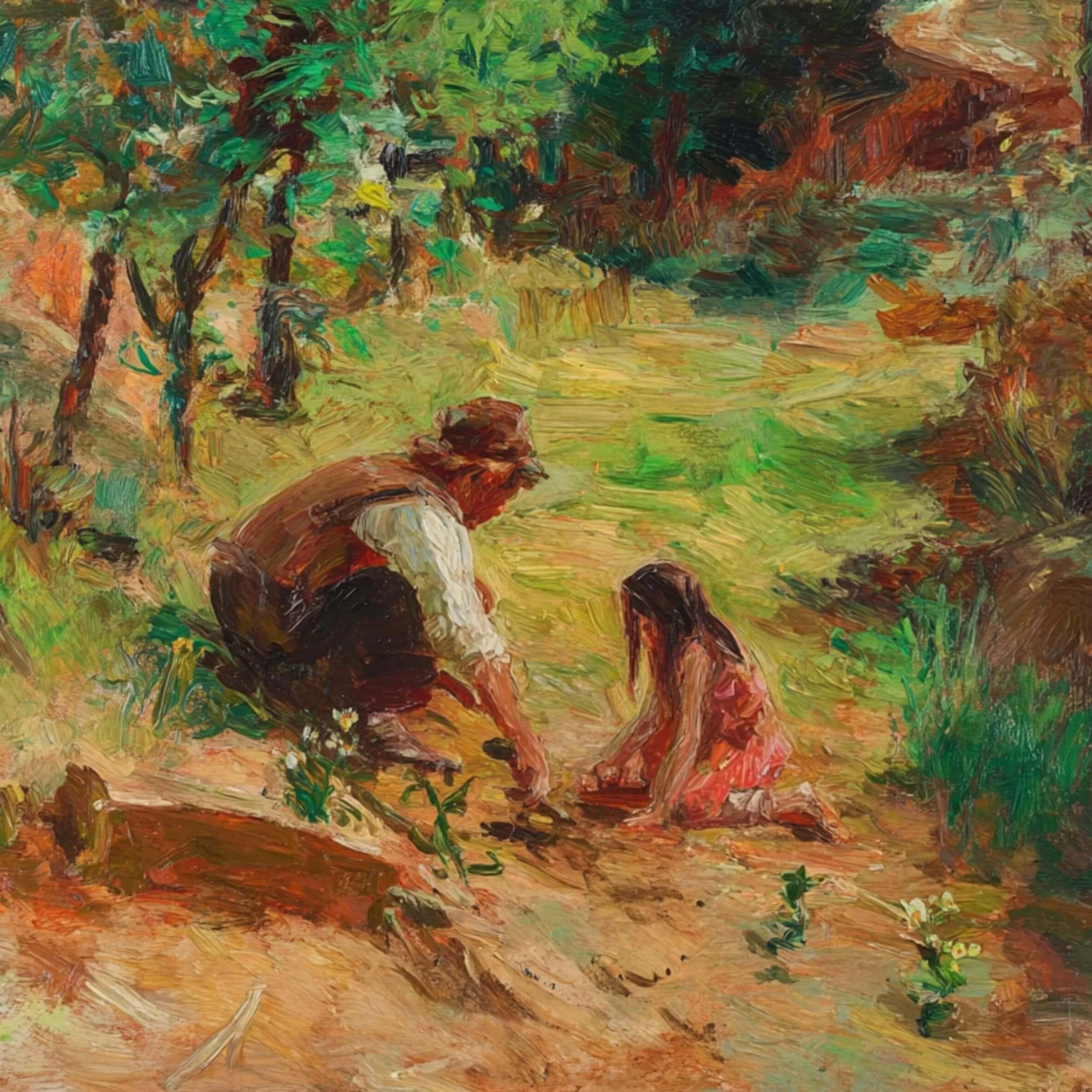
Writing has always been more than marks on paper. It’s a way of listening — to the heart, to God, to the stories we carry inside us. In John 8, Jesus bends down and writes in the dirt while a woman waits, her shame exposed. He doesn’t look up at the crowd. He just writes. And maybe that’s the invitation: to slow down, touch the dirt and let God’s voice write in us too.
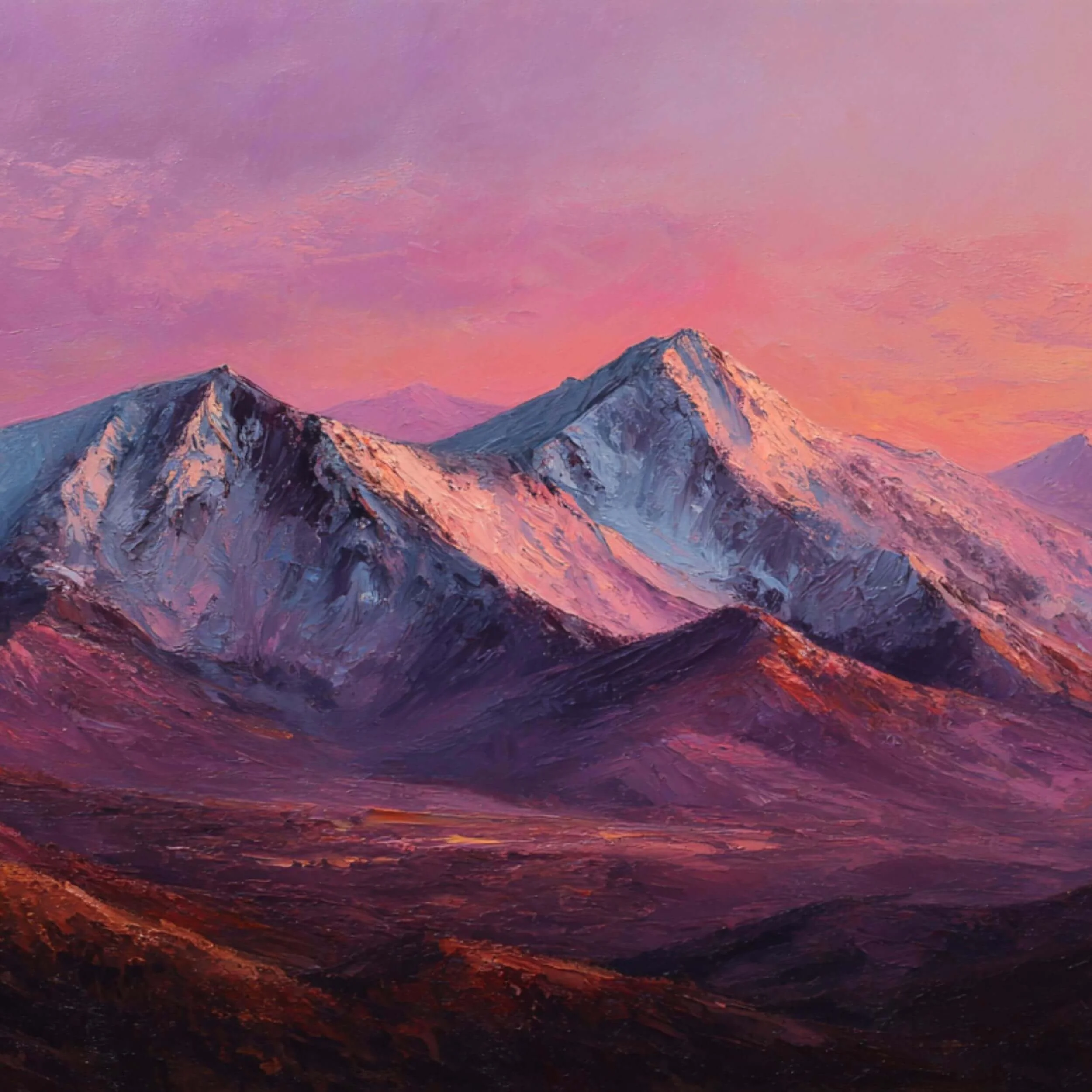
In a circle of strangers, I said what I had never said before: “I want to feel like I can do nothing and still be loved.” And when they wrapped their arms around me and whispered “I love you,” I felt it — not just from them, but from God. “You belong,” the Father said. And in that moment, I finally believed him.
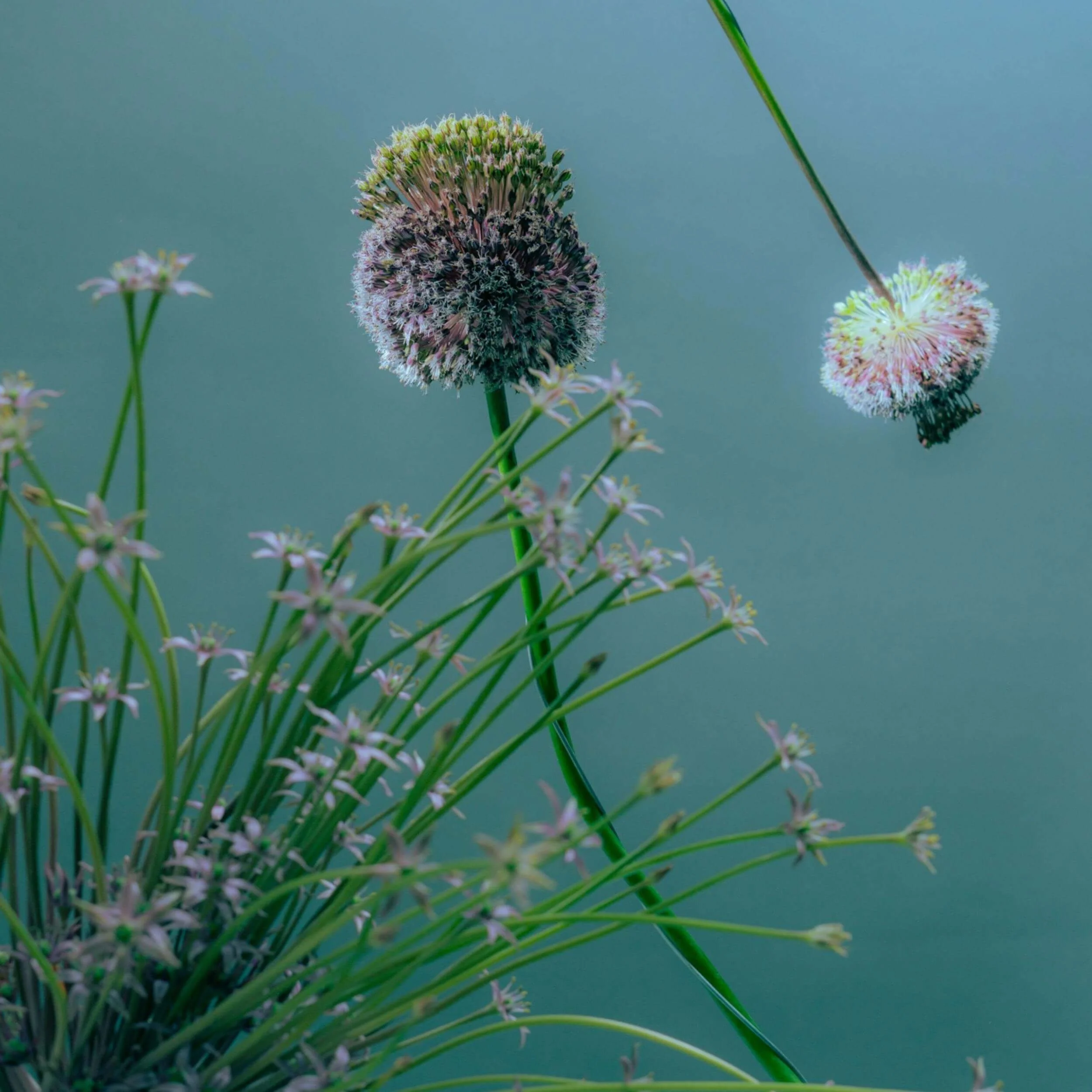
Sap clings to my feet. The morning breeze brushes my face. And something in me aches to be known — by God, by others, by me. Healing isn’t tidy or quick, but it’s worth every scar it asks us to touch. When we stop running from the shadows and let love move through us, even our hidden places can become holy ground.
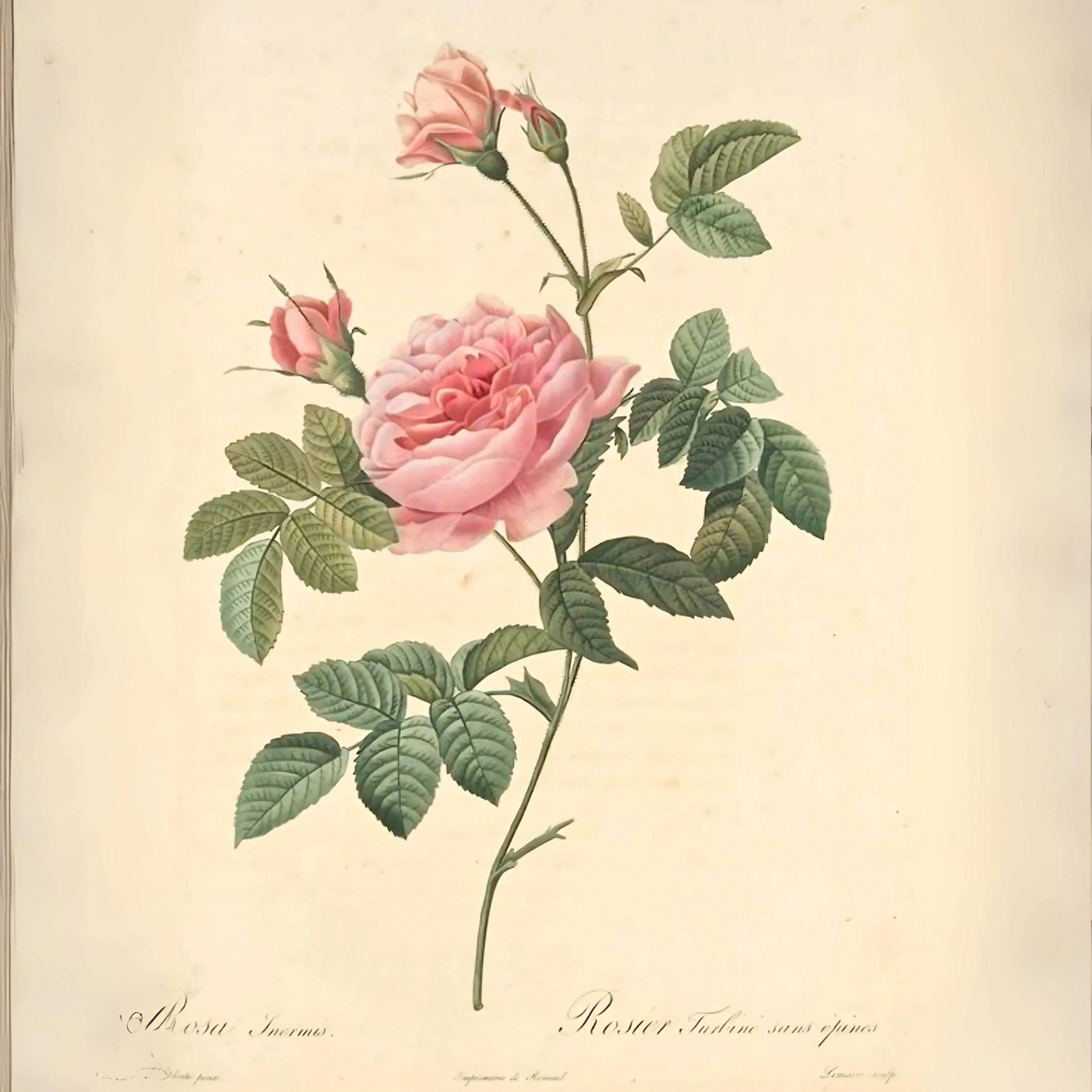
Beauty doesn’t ask to be seen. It blooms anyway — wild and unhurried, like roses in the late-May sun. It doesn’t need our applause or attention. But still, it invites. In the curve of a stem, the fall of a petal, God whispers: I am here. And when we let that beauty seep in, we remember who we are. We remember we belong.

The scent of almond blossoms stirs memory — of childhood barefoot in orchards, of both beauty and ache. Some moments return willingly, others resist. Yet in each, God’s presence threads through time. Even what we forget, he remembers. Our memories — blessing and burden — become places where the sacred and the familiar meet, calling us home to his love that transcends time, pain and even forgetting.
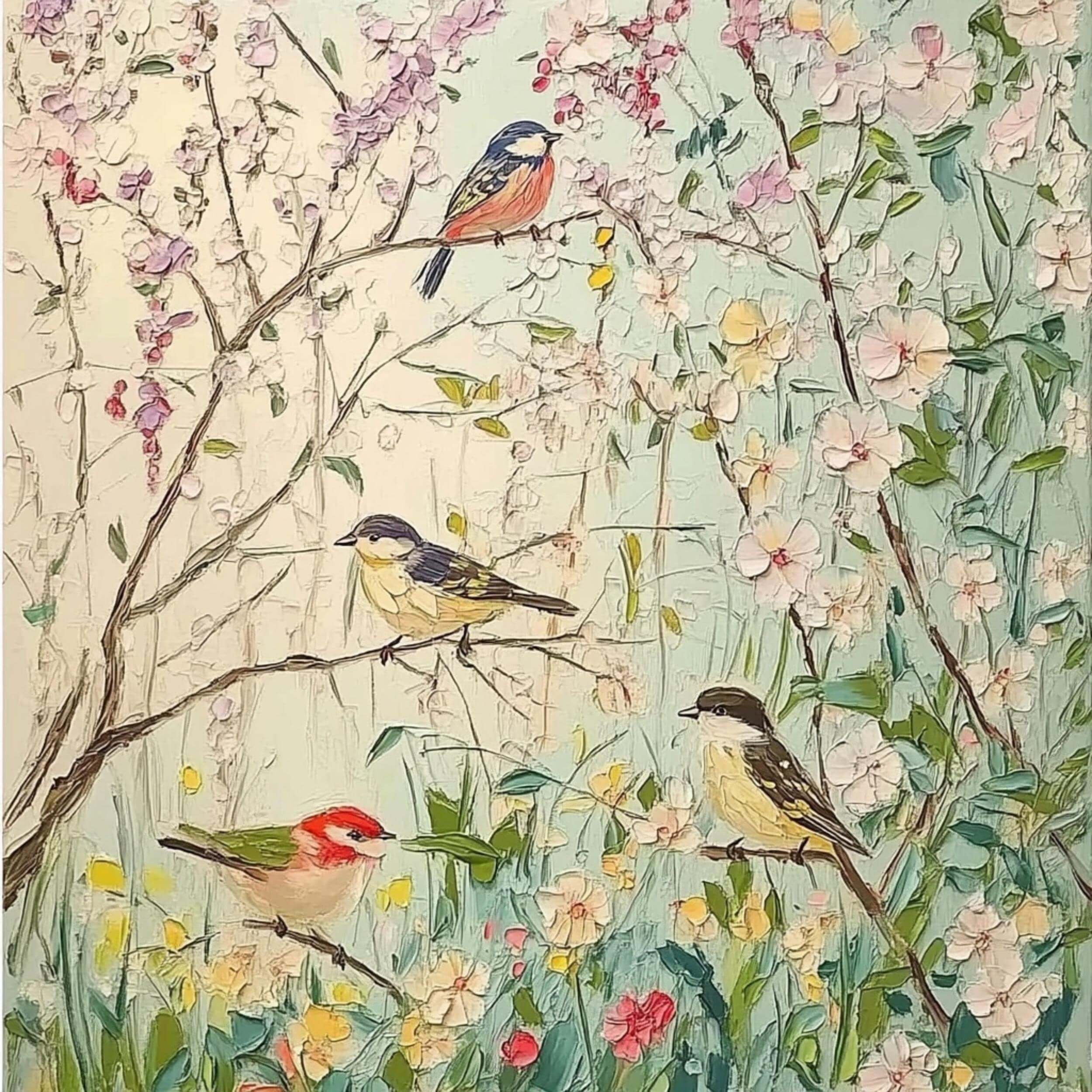
I sit by the window, alone but not lost, letting questions roam freely. The roses spill from cracks in the path — beauty too much to behold yet impossible to ignore. I think of the dreams and imaginings that once kept me company and wonder if they were glimpses of truths not yet seen. Even in uncertainty, I’m grounded. Even in fear, I long for what is beautifully familiar and fully his.

She stands in the timeless now, hands clenched until surrender unfolds her palm. No gift, just an open hand. The Father takes it gently, fingers wrapping hers. Together they step into a space without edges — past and present folded like petals of the same bloom. She offers nothing but herself. He calls it everything. This is not the beginning. This is not the end. This is the beauty of always here.
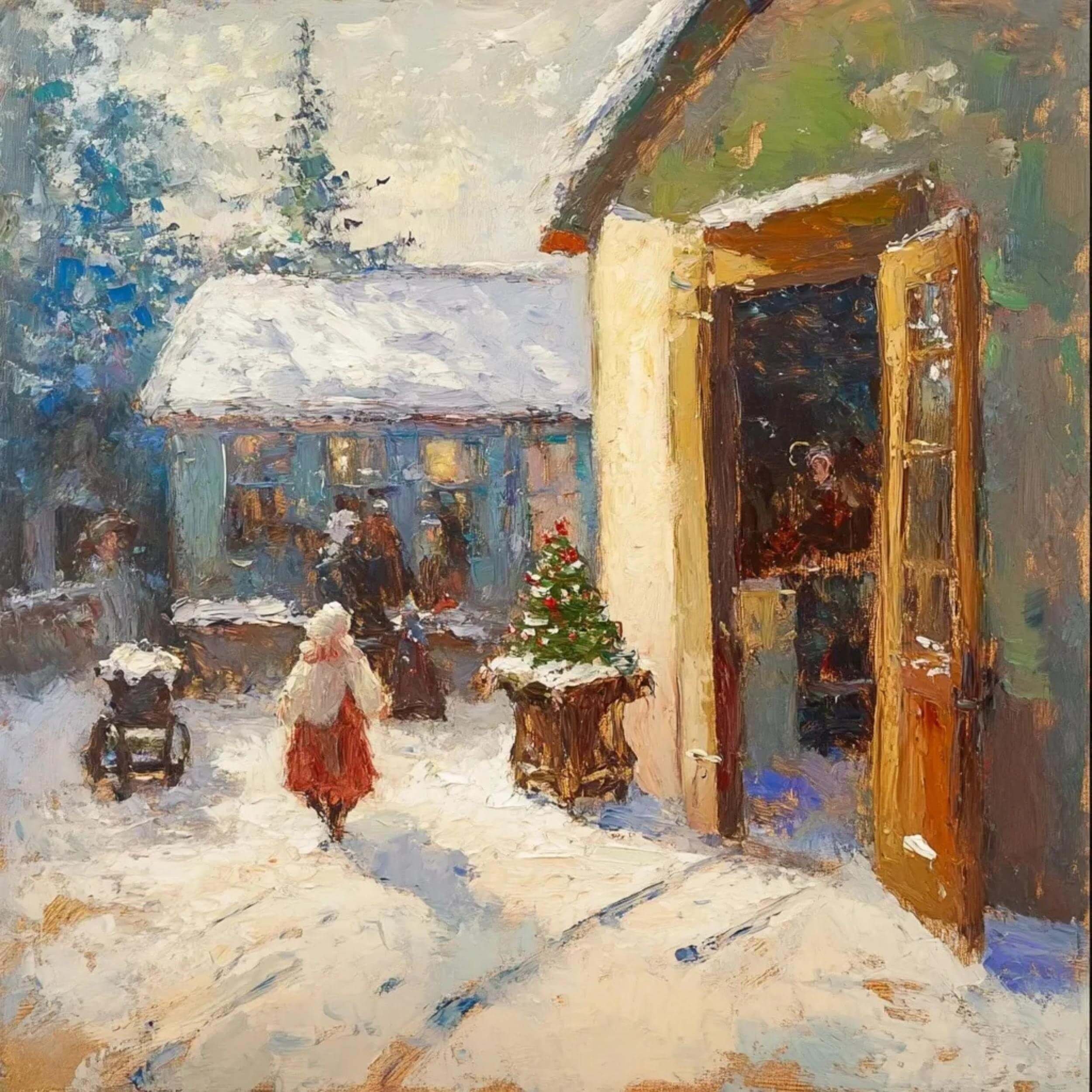
The morning air is cool on my face. The slick soles of my boots threaten to slip off the bike pedals with each spoke turn.
I cross the street, passing just one walker, his arms swinging quickly down the wide street. Then I make one right turn, one left turn, and another right. In three minutes, I am turning onto Main Street, the sidewalks filled with potted Christmas trees glistening with red and silver in the morning sun.
It rained earlier this week, and the air is still moist. I breathe through my nose, feeling the air expand my lungs. I turn onto the sidewalk outside a coffee shop and pull my bike up to a bike stand shaped like a red metal coffee mug. I can see Justin in the window, perched on a counter stool, laptop open. People press together in line for coffee, and I ease my way in, past the giant body of a Grand Pyrenees who also, perhaps, likes expresso. Its huge brown eyes look up at its owner, who is deep in conversation as she stands in line. I tell Justin I am tempted to burrow my face in the dog’s thick black and white fur.
Stand. See what I see.

The drive is short—just five minutes—from my house.
On the way, I look at the Christmas decorations in front of the houses: poinsettias in ivory and crimson, lights in multicolor and white, a manger scene in the middle of a lawn, adult-sized toy soldiers heralding walkers on the sidewalk with stationary trumpets and bright, merry eyes.
I love it. It feels like goodness. Like possibility. Like hope.
I delayed writing this because I feared my writing would masquerade as action. And action, not talk, is what is required of me now.
“Do not stay in the shallows,” He says, and I wonder if processing His words will help me do so: leave the shallows and go to the deeper place where my heart is one with His.
I am sitting at a window near the front of the house where I can see the giant rose bush through the glass. Up at the top, one rose opens to the December sun. Beneath its peach petals are thick flowerless branches armored with thorns. I study them, remembering the feeling of falling in a nest of rose bushes as a child—and the precarious dance I do as an adult in the spring and summer, deadheading stalks so more flowers can bloom.

Today, I am not at ease with myself, which is the opposite of what you hear people my age and older say.
I am supposed to say, “I’ve never felt more like myself. I have settled into a newfound freedom as I care less about what people think of me and am less tied down by the attitude of striving.” And I usually feel that way.
But I resonate with both mindsets: I care less about what people think of me and feel good about balancing work, rest and play. But still, I feel listless and confused. There is an edge I think I am missing.
Perhaps I have become complacent? Where has my desperation for God gone?

The lights have gone out in the cafe.
The wind gusts the leaves outside, orange and yellow fluttering in tufts, and the November light shines through the windows. My shadow on the wall outlines me dimly. I see it on the cream-colored paint beneath stains from coffee splatters and gray scratches where furniture was scraped.
Justin was gone for a few days last week, and I was lonely. It made me think of Berta, my former neighbor, 86 years old, who used to live next door. And Meg, our neighbor on the other side of our house, who also lived alone. After having a houseful of kids—and a dog—collectively requiring my energy and attention for two decades, I thought the quiet would be welcome. But it was strange. I wonder if I like quiet better when I choose it rather than when it happens to me.

The maple tree in our backyard was blazing red last week, its brilliant leaves hanging like delicate, tired flames.
Now, as they fall, the garden floor bears a circle of red. It is gorgeous, though uncomfortable to witness, the bright dying of beauty to make even more.
Love is like that—hanging on and letting go, dedicating oneself to believing there is good coming, even if something has to die first for beauty to be born again.
I don’t know what to say to her. What are the magic words to a person’s heart?
My story is not hers–we each carry different burdens and wounds. But yet, in our pain, we are somewhat the same, aren’t we?
Isn’t pain pain? Isn’t sorrow sorrow? Isn’t fear fear? Or does one person’s burden weigh more than another’s? And, if so, does this make them more or less able to carry it?

Sometimes, there just aren’t words. It is not that life isn’t happening, that there isn’t meaning in the day-to-day.
It is that a part of us needs to quiet.
There is no big problem to solve, no hard pain to treat.
We are in a space with all possibility and hope, yet claiming this space feels distant somehow.
Unless we slow.
Will you let my quiet fill you? Will you let my tenderness pull you under?

The voices come in the quiet moments. The ones that tell you you’re not enough, not wanted, not worthy. They slither in when you’re overwhelmed, when you fail, when you feel alone. But there’s another voice — the one that speaks mercy instead of shame, love instead of contempt. The one that calls you by name. The question is: Which voice will you listen to?

For the last month, when his back legs got wobbly, and he started to lose weight–and when he got too weak to climb the stairs–I carried him up and down, his lanky body leveraged awkwardly against my left hip, his breath heavy and hot in my ear. Every night at bedtime, he nuzzled his nose into my arm before curling up on the floor. Then, in the morning, he’d lie splayed out near Justin on the other side of the bed. We have become experts at maneuvering over his warm, furry body in the darkest rooms. We walk carefully, always just assuming he is there.

I sit on my bed, thinking about light and how I can describe hope in words.
Another gift, how morning comes. The house still, birds chirping outside, swooping to drink and dunk their beaks in the water bowl. September air in northern California—crisp, with a hint of cold on my skin when I push out the windows.
The sun's light blankets one tree branch in the backyard, the other in shade from a taller tree’s branches overhead. Sunlight and shadow. Undulations of light in stillness. The light moves, and the earth rotates.
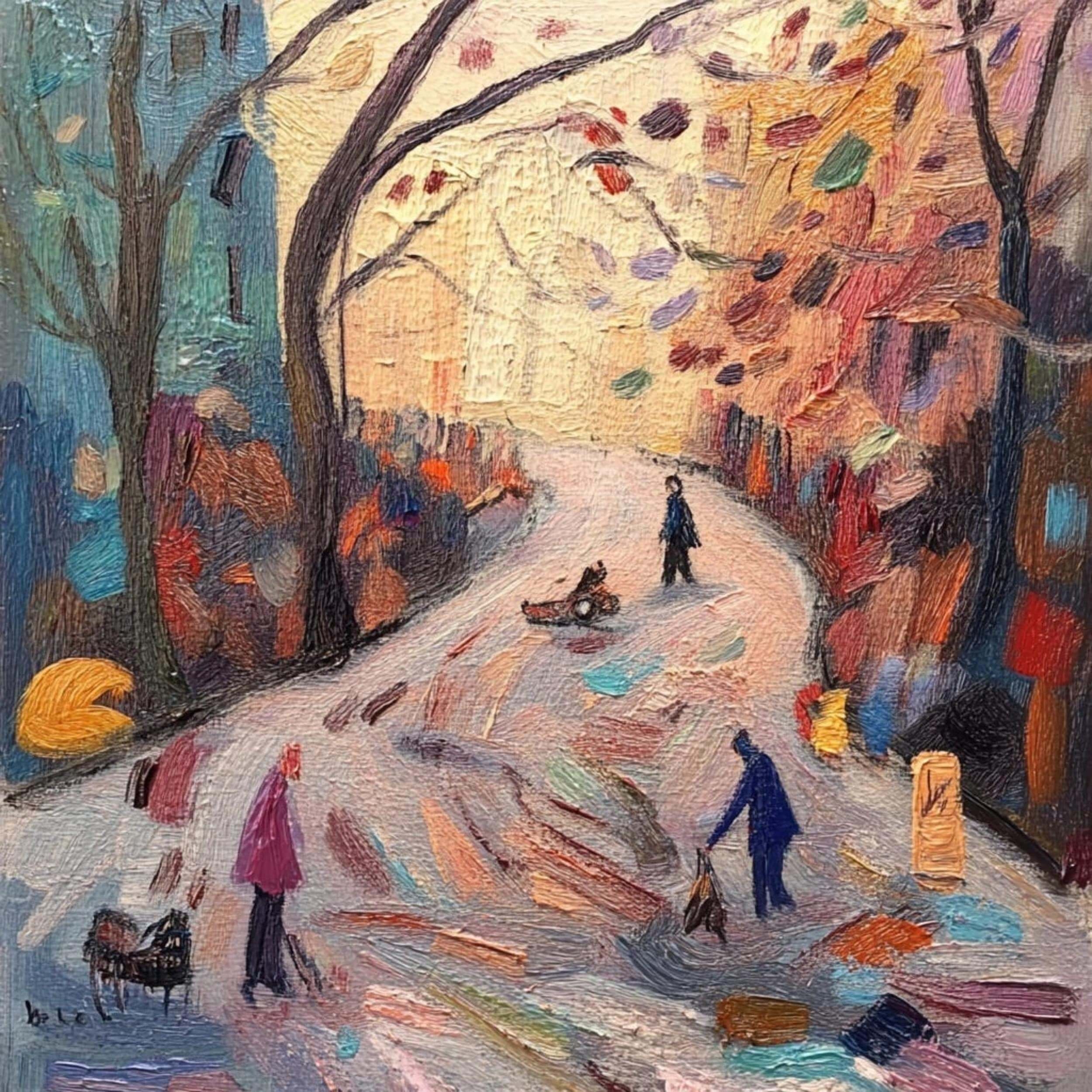
I don’t know what to hold onto.
Long ago, in grad school, a friend shared how taking risks and setting out on any adventure where you don’t see the outcome is like being out on a trapeze, swinging through the air, with no net beneath you. She described the feeling of the air against her face as she let go–and her body, tethered to nothing, stretching out to be caught by hands stronger than her own.
I am stretching out. I am untethered. I have let go.
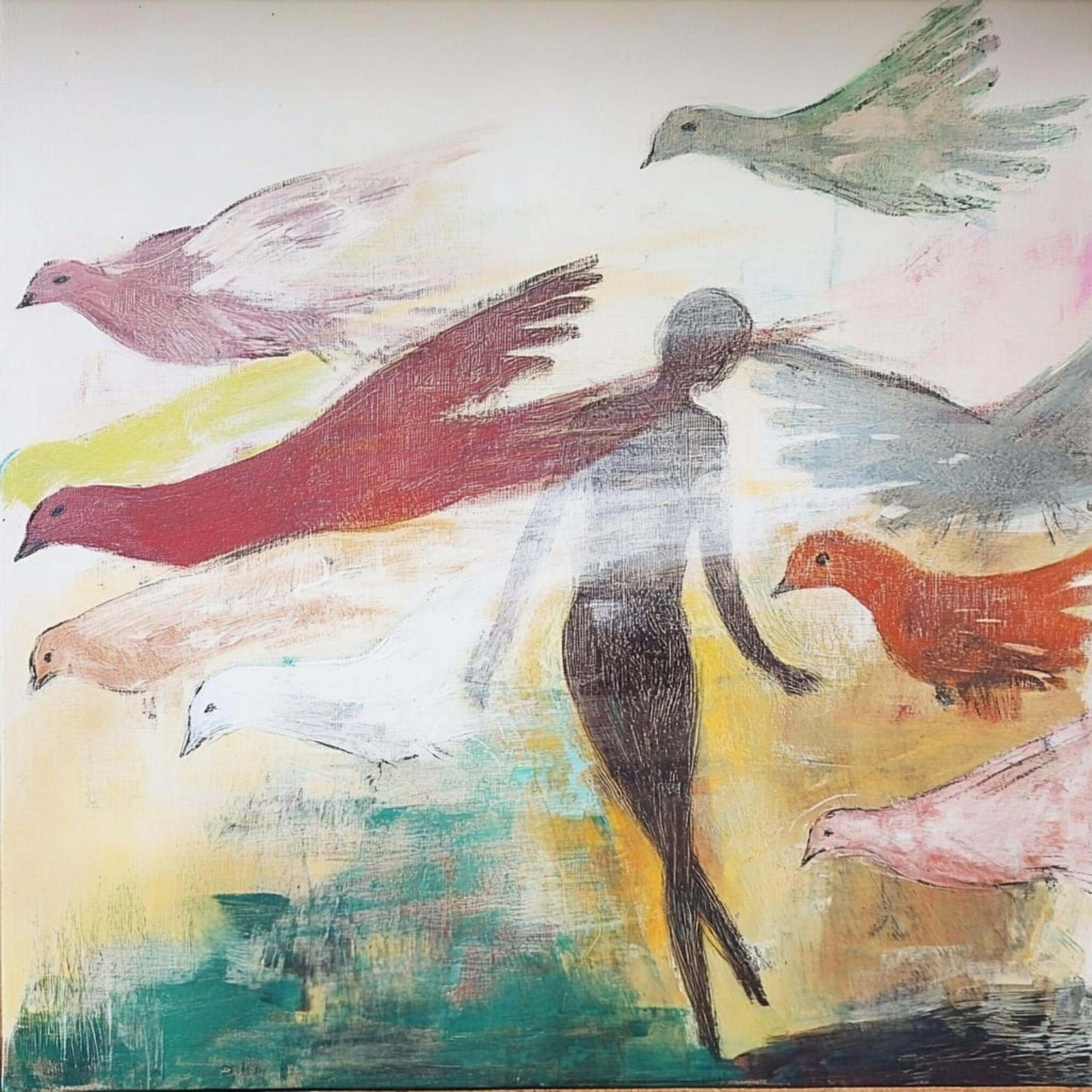
The laundry room walls are close on both sides, a tucked away room off the hall adjacent to my daughter’s where I can hear her singing. She is packing for her freshmen year in college, and the world I’ve known for 18 years feels shaky around me. Father, whom have I been, and what am I becoming?