

Closer Than You Think: How Religion Is Mostly Just Friendship
We often search for some hidden spiritual secret, as though holiness were a code to crack. But what if faith is far more familiar than that? Not a mystic “it” to chase, but a friendship to cultivate. Jesus’ invitation is wonderfully plain: abide in me. Stay near. Listen to my words. Let love, obedience and time do their quiet work in you.

Be Extravagant in Love
Love, when it follows Jesus, rarely stays safe or measured. It risks reputation, comfort, even misunderstanding. Nicodemus came in secret, then stepped into the light. A woman poured out what others called waste. Both saw something worth everything. Extravagant love doesn’t calculate return. It simply gives — because it has been given to first, more generously than we ever deserved.
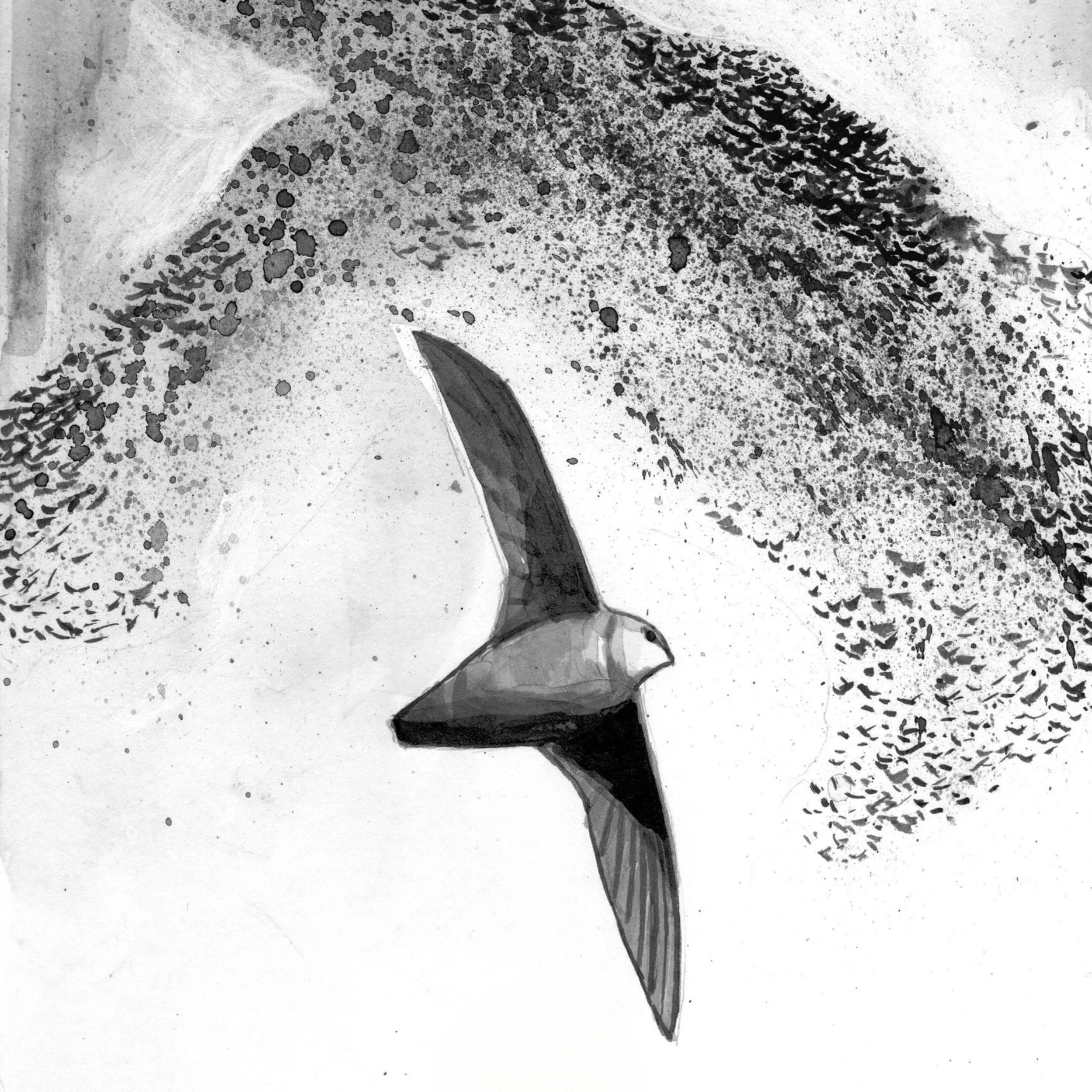
The Golden Thread: Church Unity Through the Eyes of a Birder
A flock of birds moves as one — not because one leads, but because each is held by something unseen. The church is like that. Beneath the ordinary faces on a Sunday morning runs a quiet, binding unity in Christ. A golden thread connects us — across rooms, cities and centuries — into something far more beautiful than we can see at a glance.

What We Lost When Meekness Became Weakness
Meekness isn’t weakness. It’s strength under control. A powerful horse trained to obey its rider isn’t diminished; it’s directed. In the same way, true meekness means mastering anger rather than being mastered by it. Our culture often celebrates force and reaction, but the quiet discipline of restraint — the power to choose patience over impulse — may be one of the most overlooked virtues we need most.

Does God Get Back Pain? On the Image of God
If we’re made in God’s image, what exactly does that mean? Surely not that God shares our crow’s feet or back pain. The likeness runs deeper. We create, feel, reason and reflect — echoes of the Creator’s own life. Yet every answer leads us toward mystery. We resemble God enough to recognize him, but not enough to contain him. The image is real, but the One it reflects is far greater.
When Faith Disappears, Idols Return: Santayana’s Warning To The Modern World
George Santayana wasn’t a traditional believer, yet he saw something many modern critics miss: when faith disappears, the human need for meaning doesn’t. It simply relocates. Remove religion, and politics, identity or ideology rush in to take its place — with the same rituals and moral fervor, but far less mercy. Santayana’s warning was simple and unsettling: societies that abandon transcendence rarely become calmer. They become more combustible.
Wonder and Whimsy: When Faith Recovers Its Delight
Some mornings begin with questions — spoken quietly to God before the day gathers speed. In those unguarded moments, wonder and whimsy return: the scent of rain, the warmth of sunlight, the small mercies of being alive. Prayer becomes less about answers and more about presence. And slowly, in stillness, we remember that life with God is not only duty — it is delight.

Personal Spiritual Retreats: Fresh Water Your Soul
“I’m so tired,” I once prayed — and the quiet that followed felt like an invitation rather than a solution. Jesus’ words echoed: Come to me… and I will give you rest. Retreat isn’t escape from real life; it’s returning to it rightly. In unhurried time with God, our frantic pace slows, distractions settle like silt in water, and the soul finally drinks from the rest it has been seeking.

Why I Own a Bee Suit
Last year I bought a bee suit and started keeping two hives in my backyard. It’s not productive in the usual sense. It won’t advance my career or help me check more boxes. But tending bees reminds me of something our culture forgets: we weren’t made only for work. We were made for restoration too — quiet practices that bring us back to ourselves, and back to God.

The Measure Of Our Walk With God Isn’t In Results, But Faithfulness
After thousands of sermons and columns, I can count the ones I truly like on my fingers. Most weeks feel like falling short. Yet the calling never left. Over time I’ve realized something simple: God doesn’t measure our lives by applause or outcomes. He asks for faithfulness. We plant the flowers, even if they’re trampled. The results were never ours to control anyway.

The Beauty — and Power — of Restorying Your Story
Some stories feel beyond redemption. Trauma doesn’t tie itself up neatly, and healing rarely moves in straight lines. But over time, God begins to weave threads we couldn’t see at first — using even the gifts shaped in pain as instruments of restoration. He doesn’t erase our story; he reframes it. And as he heals us in ways fitted to our souls, we become people who help others find hope in theirs.

‘I Can Only Imagine 2’: One Of The Best Faith-Based Films Ever Made
The first “I Can Only Imagine” proved faith-based films could compete. The sequel does something harder: it grows up. Instead of promising that success or prayer erases suffering, it lingers in what comes after the dream. Bart Millard’s fame doesn’t shield his family from pain, and faith doesn’t tie everything up neatly. It offers presence, not escape — and that honesty gives the film surprising weight.

A Purpose Beyond the Paycheck
Around a fire one night, two entrepreneurs wondered aloud if less ambition would mean less success. But the question isn’t whether we stop striving — it’s what we’re striving for. When our lifestyle requires less, our work can aim higher. Instead of building bigger barns, we’re freed to serve a better Master. Purpose begins to outgrow the paycheck, and ambition finds a deeper home.
The Questions We Outgrow (And Shouldn’t)
We praise childlike faith, but we often forget childlike curiosity. Jesus welcomed children knowing they’d bring questions — honest, unfiltered, sometimes inconvenient ones. Somewhere along the way, we learn to stop asking, to smooth over what doesn’t sit right. But faith grows when we stay curious. The questions we’re tempted to outgrow may be the very ones that keep us awake, attentive and open to deeper truth.

The Art of an Apology
In a busy home, apologies come often — and not all of them land well. A rushed or defensive “sorry” can leave real harm untouched. A true apology takes courage: naming what we did, honoring the other person’s pain, committing to change and asking for forgiveness. When we do that kind of work, humility opens the door to healing — and relationships begin to breathe again.

If It’s Broke, Keep Breaking It
Addiction didn’t arrive as a choice — it arrived as a lie about what could make me whole. Crystal meth promised relief, creativity, life. Instead, it hollowed everything out. I built a world around pain and called it survival. Looking back, I see a pattern familiar to all of us: broken people making broken choices, trying to fill a void that only grows. Darkness multiplies when we keep breaking what’s already broken.

Too Busy for God?
Busyness has a way of crowding out what we say we want most. We’re tired, overextended and surrounded by more than we can manage — yet still thirsty for God. Scripture names that thirst clearly, even when our lives don’t. When our homes and schedules are packed tight, silence becomes scarce. Sometimes the most spiritual move isn’t adding another practice, but removing what keeps us from paying attention.

The Mysteries of Life, Turn and James Joyce’s ‘The Dead’
On cold winter nights, James Joyce’s “The Dead” returns with quiet force. It lingers over an ordinary party before unveiling something devastatingly human: love given too late, lives misunderstood, the living haunted by the dead. In its final snowfall, Joyce dissolves our illusions of permanence and self-importance, reminding us how thin the line is between longing and loss — and how mysteriously we all belong to one another.

The Grace of Cold Water: Finding Comfort in Discomfort
Cold water has a strange kind of grace: it teaches us to meet discomfort without panic, to breathe instead of brace. Small, chosen stress can form resilience — body and soul — preparing us for heavier suffering we don’t get to schedule. In the chill, we practice surrender, learning that God is present not only in warmth and ease, but in the hard moments that deepen endurance and quietly grow fruit.
The Bible Is an Onion, not a Lemon
Some of us approach the Bible like a lemon — something to squeeze quickly for an easy takeaway. But Scripture is more like an onion: layered, textured, asking for patience. Its message is clear enough for anyone to meet God, yet deep enough to keep drawing us further in. Reading well means slowing down, peeling back assumptions and letting the mystery of God shape us over time.